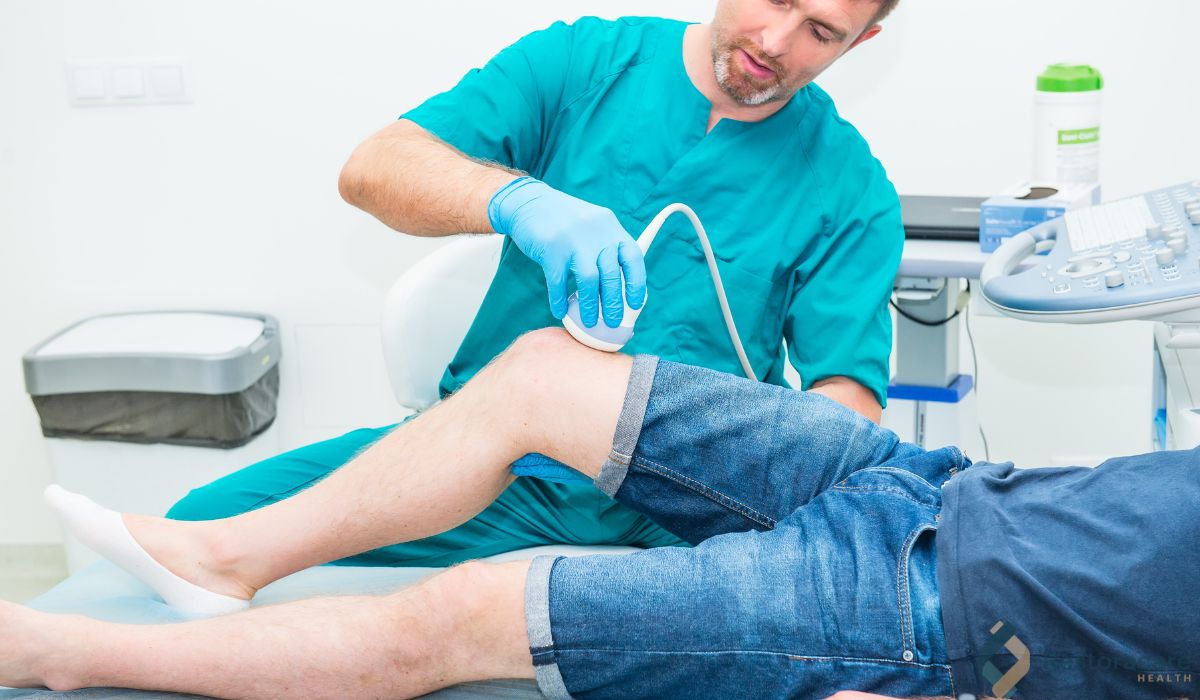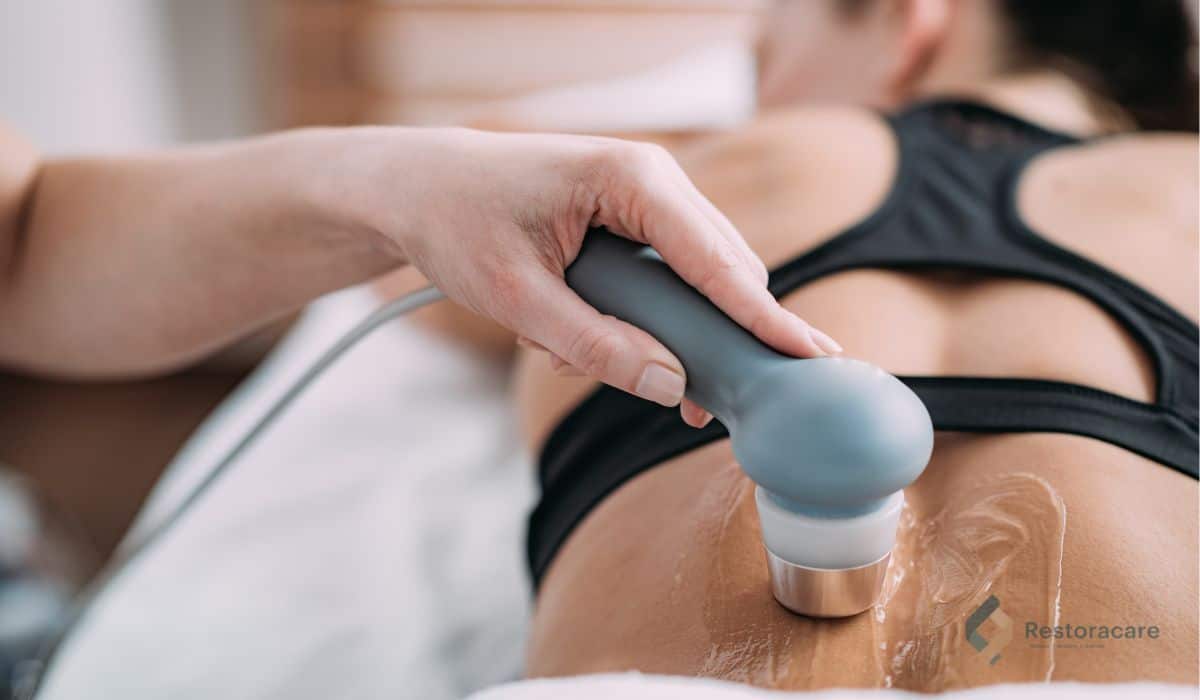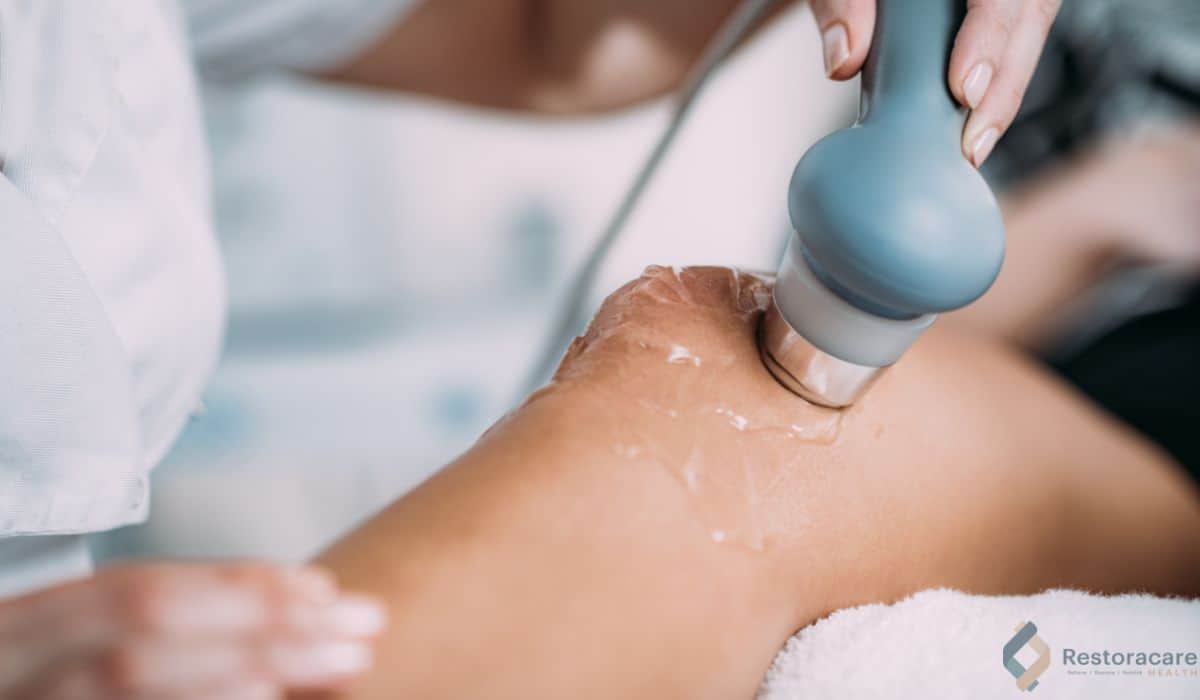


In our last article, we discussed ultrasound therapy applications. This time we will tackle something more specific: sports injury rehabilitation with ultrasound therapy in Toronto. Can it really help treat common injuries? Is it worth the time and money to see an ultrasound physiotherapist? From our observation in treating people in our clinic, it certainly is.
Therapeutic ultrasound is used to interact with tissues such that they are either modified or destroyed, which in turn helps the athletes recover.
Also, pain management is one of the most common applications of ultrasound therapy. We have a detailed explanation on how it works in our next guide.
Short Summary
- Therapeutic ultrasound utilizes high-frequency sound waves to stimulate healing in soft tissues, differing from diagnostic ultrasound by focusing on energy delivery rather than imaging.
- Ultrasound therapy is effective for acute soft tissue injuries like strains and sprains, chronic overuse injuries such as tendinitis, joint-related issues, muscle tears, post-surgical rehabilitation, and scar tissue management.
- Ultrasound promotes healing through thermal effects like increased blood flow, non-thermal effects such as cavitation, enhanced collagen synthesis, pain reduction via the gate control theory and endorphin release, anti-inflammatory action, and acceleration of the natural healing cascade.
- Ultrasound offers faster return-to-play timelines, is non-invasive with minimal side effects, improves tissue flexibility and range of motion, enhances circulation, provides cost-effective long-term injury management, and is generally comfortable and accessible for patients.
- Effective rehabilitation involves combining ultrasound with manual therapy, targeted exercises, and coordinated timelines, emphasizing communication between healthcare providers and coaching staff for optimal outcomes and long-term injury prevention.
Understanding Ultrasound Therapy In Sports Medicine
Therapeutic ultrasound uses high frequency sound waves to interact with the body’s soft tissues. These sound waves cause microscopic vibrations in the deep tissues, stimulating healing process and promoting recovery. Unlike diagnostic ultrasound, which creates images, therapeutic ultrasound focuses on delivering energy to the affected area to achieve a therapeutic effect.
There are two main types of ultrasound therapy: continuous and pulsed. Continuous wave ultrasound delivers a constant stream of energy, raising tissue temperature and increasing blood flow to the treatment area. This is useful to relax tight muscles and treat chronic pain. Pulsed wave ultrasound delivers energy in short bursts, allowing tissues to cool down between pulses. This is often used in the acute phase of soft tissue injuries to reduce inflammation and reduce swelling.
The effectiveness of ultrasound therapy depends on the frequency and intensity of the sound waves. Higher frequencies are absorbed more superficially, making them suitable for treating surface soft tissues. Lower frequencies penetrate deep to reach deeper structures, such as ligament injuries or joint inflammation. Sports medicine specialists determine the parameters for each case.
Therapeutic ultrasound devices are subject to strict FDA approval and safety standards to ensure safety. These standards dictate the allowable frequency and intensity ranges, and the required safety features. Furthermore, research demonstrates the efficacy of ultrasound therapy in sports injury rehabilitation. Studies have shown it helps in pain relief, accelerating the healing of soft tissue injuries, and improving functional outcomes. It has been proven to be one of the effective treatments for sports injuries.
Common Sports Injuries That Respond To Ultrasound Treatment

Acute Soft Tissue Injuries: Strains, Sprains, And Contusions
Soft tissue injuries like strains, sprains, and contusions are common in sports. These injuries often cause immediate pain, reduce swelling, and limited range of motion. Therapeutic ultrasound can be beneficial in these cases. The sound waves help reduce inflammation and improve circulation to the affected area, accelerating the healing process. Ultrasound can also provide pain relief, allowing athletes to begin gentle exercises sooner. The pulsed wave setting is often preferred initially to minimize heat production and avoid exacerbating inflammation.
Chronic Overuse Injuries: Tendinitis, Bursitis, And Muscle Imbalances
Chronic overuse injuries, such as tendinitis, bursitis, and muscle imbalances, develop gradually over time due to repetitive stress. These conditions can cause persistent pain and limit athletic performance. Ultrasound therapy can be used to address these issues by increasing blood flow to the affected tissues, which helps to promote healing and reduce pain. For tight muscles, the heat generated by continuous wave ultrasound can help relax tight muscles and improve flexibility. Ultrasound can also be used along with other physical therapy techniques to address muscle imbalances and improve biomechanics.
Joint-Related Injuries: Ankle Sprains, Knee Injuries, And Shoulder Impingement
Joint-related injuries, including ankle sprains, knee injuries, and shoulder impingement, often involve joint inflammation and limited range of motion. Therapeutic ultrasound can be used to target the deep tissues surrounding the joint, helping to reduce pain, reduce swelling, and improve joint function. For example, for ankle sprains, ultrasound can help promote healing of damaged ligaments and tendons. Similarly, for shoulder impingement, ultrasound can help reduce inflammation and improve range of motion.
Muscle Tears And Fascial Restrictions In Athletes
Muscle tears, minor or severe, can sideline athletes for extended periods. Ultrasound therapy can be employed to stimulate the healing process within the damaged muscle tissue. By increasing blood flow and promoting cellular activity, ultrasound aids in the regeneration of muscle fibers. Additionally, athletes often develop fascial restrictions, which are areas of tightness and adhesion within the connective tissue surrounding muscles. Therapeutic ultrasound can help break these restrictions, improving flexibility and reducing pain.
Ready to Feel Better?
Post-Surgical Rehabilitation Applications
Following surgery for a sports injury, therapeutic ultrasound plays a significant role in rehabilitation. It helps manage pain and speed healing of surgical incisions and surrounding tissues. Ultrasound can help reduce swelling and inflammation while promoting healthy scar tissue formation. Physical therapy often incorporates ultrasound to restore range of motion, strength, and function after surgery.
Scar Tissue Breakdown And Adhesion Management
Scar tissue formation is a natural part of the healing process, but excessive or poorly organized scar tissue can lead to pain, stiffness, and limited mobility. Ultrasound therapy can be used to break down scar tissue and adhesions, improving tissue flexibility and reducing pain. By targeting the affected area with sound waves, ultrasound helps to remodel the scar tissue fibers, making them more pliable and functional. This is particularly beneficial for athletes who have undergone surgery or experienced significant soft tissue injuries.
The Science Behind Ultrasound Healing Mechanisms

One of the primary mechanisms through which therapeutic ultrasound promotes healing is through thermal effects. When sound waves are absorbed by tissue, they generate heat. This increase in tissue temperature leads to vasodilation, or the widening of blood vessels, resulting in increased blood flow to the affected area.
This enhanced blood flow delivers more oxygen and nutrients to the injured tissues, which are essential for the healing process. The thermal effects are particularly beneficial for relaxing tight muscles and addressing chronic conditions.
Non-Thermal Effects: Cavitation, Acoustic Streaming, And Cellular Stimulation
Beyond the thermal effects, ultrasound therapy also produces non-thermal effects that contribute to healing. These effects include cavitation, acoustic streaming, and cellular stimulation. Cavitation involves the formation and collapse of microscopic bubbles in the tissues, which can help to break down scar tissue and adhesions. Acoustic streaming refers to the movement of fluids along cell membranes, which can alter cell activity.
Cellular stimulation involves activating cells via sound waves, which can promote the release of growth factors and other healing substances. These non-thermal effects are especially important in the early stages of injury, when inflammation is prominent.
Collagen Synthesis Enhancement And Tissue Remodeling
Collagen is a crucial protein that provides structure and support to soft tissues. Ultrasound therapy has been shown to enhance collagen synthesis, which is essential for tissue repair and remodeling. The sound waves stimulate fibroblasts, the cells responsible for producing collagen, leading to increased collagen production and improved tissue strength.
Additionally, ultrasound helps to organize the collagen fibers in a more functional alignment, reducing the risk of scar tissue formation and improving tissue elasticity.
Pain Reduction Through Gate Control Theory And Endorphin Release
Pain management is one of the key benefits of ultrasound therapy. Ultrasound can reduce pain through several mechanisms, including the gate control theory and endorphin release. Gate control theory suggests that stimulating non-painful sensory nerves can block the transmission of pain signals to the brain. Ultrasound therapy does this through the use of sound waves.
Endorphins are natural painkillers produced by the body. Ultrasound therapy promotes this pain relief by helping release endorphins.
Anti-Inflammatory Effects And Swelling Reduction
Inflammation is a common response to sports injuries, contributing to pain, reducing swelling, and limited function. Therapeutic ultrasound can exert anti-inflammatory effects by reducing the production of inflammatory mediators and promoting the resolution of inflammation. The sound waves help stabilize cell membranes and prevent the release of inflammatory substances.
Additionally, ultrasound can enhance lymphatic drainage, which helps to remove excess fluid from the affected area, further reducing swelling.
Acceleration Of The Natural Healing Cascade In Injured Tissues
Overall, ultrasound therapy accelerates the natural healing cascade in injured tissues. By combining thermal and non-thermal effects, ultrasound stimulates cellular activity, enhances blood flow, promotes collagen synthesis, reduces inflammation, and provides pain relief. This multifaceted approach helps to optimize the healing process, allowing athletes to recover faster and return to their sport sooner.
Benefits And Advantages Of Ultrasound Rehabilitation

Therapeutic ultrasound offers a range of benefits and advantages in the rehabilitation of sports injuries. Compared to other traditional methods, it’s an option worth considering. Here’s a breakdown of the key advantages:
Faster return-to-play timelines compared to conventional therapy: By accelerating the healing process and promoting tissue regeneration, ultrasound therapy can help athletes return to their sport sooner than with traditional methods.
Non-invasive treatment option with minimal side effects: Unlike surgery or injections, ultrasound therapy is non-invasive, meaning it doesn’t require incisions or the introduction of foreign substances into the body. It also has minimal side effects, making it a safe and well-tolerated treatment option for most patients.
Improved tissue flexibility and range of motion: Ultrasound therapy can help break down scar tissue and adhesions, improving tissue flexibility and range of motion. This is particularly beneficial for athletes recovering from soft tissue injuries or surgery.
Enhanced circulation and nutrient delivery to injured areas: By increasing blood flow to the treatment area, ultrasound therapy enhances the delivery of oxygen and nutrients to injured tissues, promoting healing and tissue repair.
Cost-effective treatment option for long-term injury management: While the initial cost of ultrasound therapy sessions may vary, it can be a cost-effective treatment option for long-term injury management. By accelerating healing and preventing complications, ultrasound can reduce the need for more expensive interventions.
Patient comfort and treatment accessibility: Most patients find ultrasound therapy to be a comfortable and relaxing experience. The treatment is typically performed in a physical therapy clinic or sports medicine facility and requires minimal preparation. The treatment area is exposed and the ultrasound probe is placed in direct contact with the skin.
Integrating Ultrasound Therapy Into Comprehensive Rehabilitation Programs

To maximize the benefits of ultrasound therapy, it’s crucial to integrate it into comprehensive rehabilitation programs. This involves combining ultrasound with manual therapy techniques, targeted exercise programs, and appropriate strength and conditioning protocols. The timeline for ultrasound therapy should be coordinated with other recovery modalities, such as ice, compression, and elevation, to optimize healing and reduce inflammation. Regular monitoring of progress and adjustments to treatment parameters are essential to ensure optimal outcomes.
Effective communication between healthcare providers, including physical therapy and sports medicine specialists, and the athlete’s coaching staff is also vital for a successful rehabilitation process.
Ultimately, the goal is to not only facilitate recovery from the current injury but also to implement long-term injury prevention strategies to minimize the risk of future occurrences.
Final Thoughts
We covered the science behind how sound waves can accelerate healing, reduce pain, and improve function in various soft tissue injuries. From acute sprains and strains to chronic overuse conditions and post-surgical recovery, ultrasound therapy offers a non-invasive and cost-effective approach to getting athletes back in the game.
If you’re a Toronto athlete struggling with a sports injury and seeking effective treatments to speed up your recovery, we encourage you to visit RestoraCare Health Clinic. Our experienced team can assess your condition and determine if ultrasound therapy is the right choice for you.
Let us help you return to peak performance!
Frequently Asked Questions
What Is The Purpose Of Ultrasound Therapy In Sports Injury Treatment?
Well, that’s a question we get asked a lot, and it’s a good one! You see, the primary purpose of ultrasound therapy in treating sports injuries is to kickstart and accelerate the body’s natural healing processes. It’s about getting in there and interacting with those tissues, tweaking them, so to speak, to encourage recovery. Think of it as a way to give your body a little nudge in the right direction so you can recover faster.
What Is The Application Of Ultrasound In Sports Injury?
Now, when it comes to application, ultrasound’s got a pretty broad reach. It can assist in managing pain, reduce swelling, relax tight muscles, break down scar tissue, and generally help damaged tissues repair themselves. Whether it’s a sprained ankle, a strained muscle, or even chronic tendinitis, therapeutic ultrasound can be a valuable tool in addressing a variety of common sports-related ailments.
How Is Ultrasound Used In A Rehabilitation Setting?
In a rehab setting, sports medicine specialists use ultrasound as part of a well-rounded approach. It’s not just a standalone treatment; it’s often combined with other physical therapy techniques, like exercise and manual therapy, to get you back in the game faster. The goal is to use ultrasound to prime the tissues for further rehabilitation, making them more responsive to other interventions and ultimately helping you regain your strength, flexibility, and function.