

Did you know that chronic pain affects millions of Canadians? About one in five Canadians, in fact. With conditions like arthritis, tendonitis, and back injuries, millions of Canadians are driven to seek relief.
If you’re one of them, here’s a bit of good news: modern ultrasound therapy technology in Toronto offers a gentle, drug-free path to easing discomfort and accelerating healing.
From our experience, today’s ultrasound therapy is a powerhouse for non-invasive treatment, using sound waves to target soft tissues precisely. It’s not science fiction.
Forget the grainy images of old. It’s a clinically-backed treatment used more and more in physiotherapy settings to target soft tissue issues, speed up recovery, and improve mobility.
This article will show you how this new technology works, where it’s being used today, and why more patients are asking about it in their recovery plans. If you’re considering new treatment options, or just want to understand the tech behind the tool, you’re in the right place.
This piece continues our series on ultrasound therapy. After exploring pain management through ultrasound therapy, we now examine its cutting-edge evolution. Up next, we’ll detail professional practice in ultrasound therapy for clinicians.
Let’s explore how it works and why it’s transforming patient care in 2025.
Short Summary
- Modern ultrasound therapy technology uses sound waves (not radiation) for non-invasive treatment of pain and injuries
- It boosts blood flow, heals soft tissues, and treats conditions from arthritis to cancer – no surgery or drugs
- Combines therapeutic ultrasound with AI-enhanced diagnostic ultrasound for precision
- Clinical trials confirm safety and efficacy for all ages, including pregnant women
- Zero downtime: sessions take minutes with minimal prep
- Evolving rapidly with artificial intelligence and recent technologies
- Accessible in Toronto through Restoracare Health’s expert care
What Is Modern Ultrasound Therapy Technology?
Gone are the days when ultrasound meant only baby pictures. Modern ultrasound therapy technology uses sound waves for healing, not just imaging. Think of it as your body’s deep tissue tune-up.
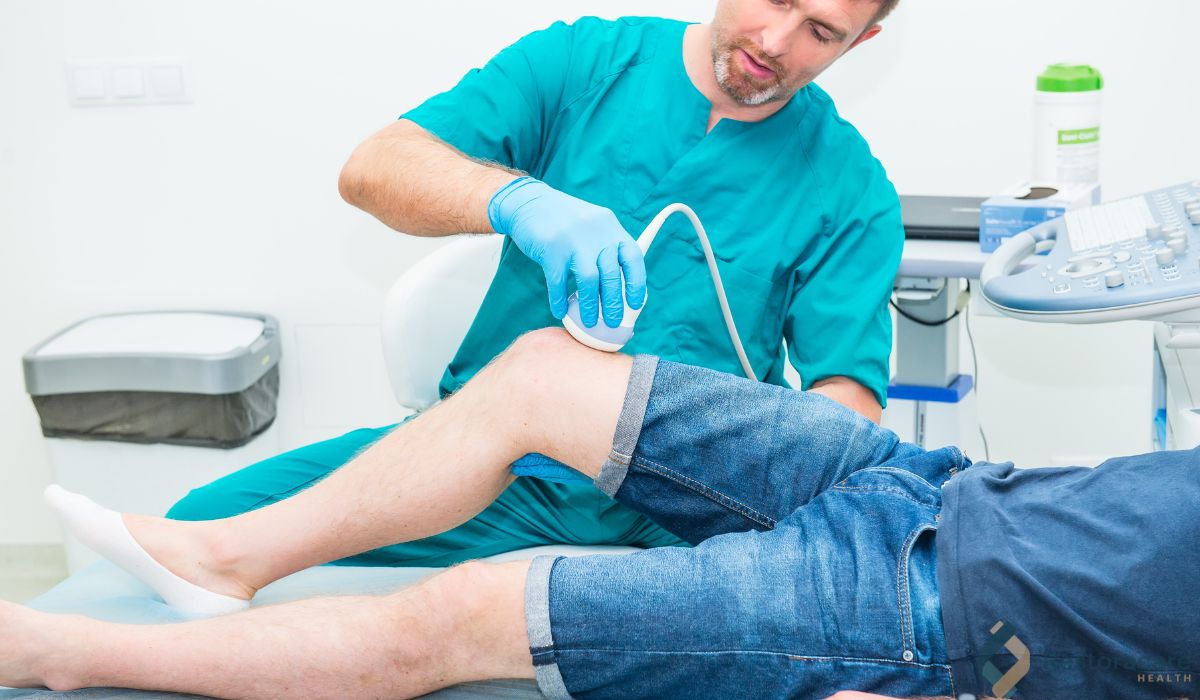
Here’s the key difference: diagnostic ultrasound creates images of internal organs, while therapeutic ultrasound delivers energy to heal.

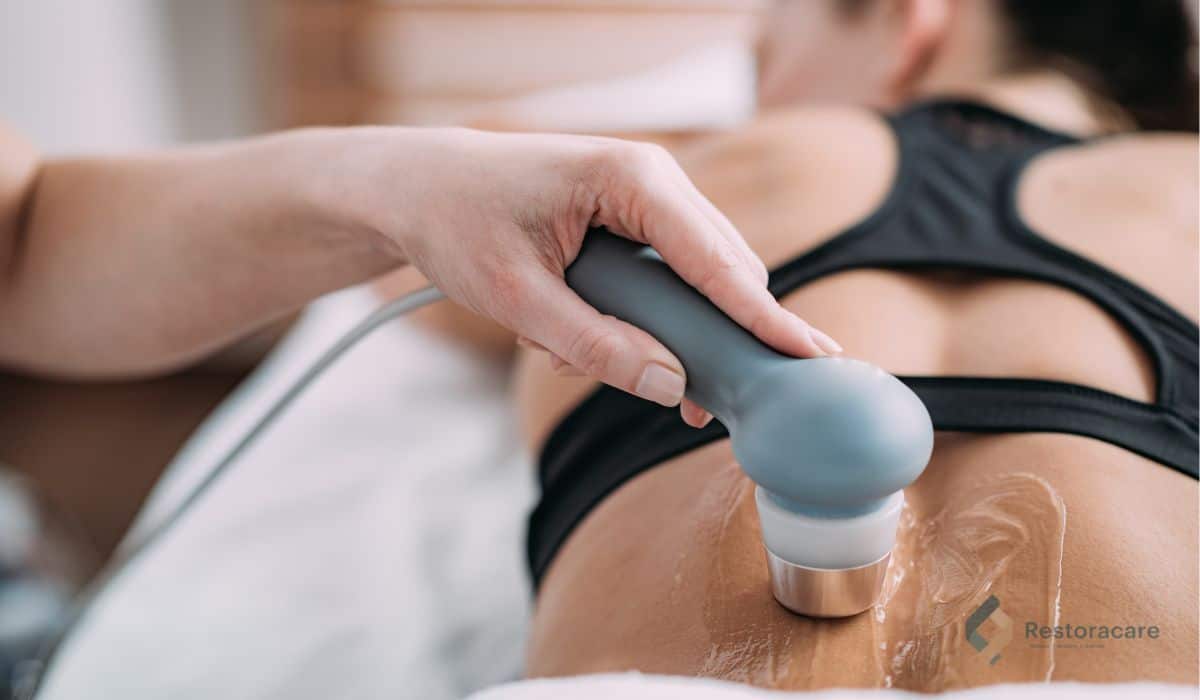
A small handheld ultrasound transducer sends these waves into your body. This ultrasound system targets soft tissues like muscles or tendons. Blood flow increases, reducing swelling and pain.
Over the past few years, recent technologies made it smarter and safer. Now it tackles everything from arthritis to bone metastases.
How It Works: From Transducer To Tissue
Picture this: the ultraound transducer gently glides over your skin. It emits high intensity focused ultrasound waves. These waves penetrate deep into problem areas, creating tiny vibrations in your soft tissues.
This boosts blood flow and generates gentle warmth.
That warmth soothes stiff joints and eases muscle spasms. Real-time monitoring ensures safety near delicate internal organs. Clinicians love the intuitive user interface. It lets them adjust settings on the spot.
Precision is key. For example, we can target a single tendon without affecting surrounding areas.
Ready to Feel Better?
Key Clinical Applications in Today’s Practice
This new technology isn’t just versatile. It’s revolutionary. In our clinic, we see it help daily with:
- Musculoskeletal treatment: Arthritis flare-ups, sports injuries, and chronic back pain
- Pregnancy-related pain: Safe pelvic relief for expecting mothers
- Post-surgical recovery: Accelerating healing after operations
But it goes further. High intensity focused ultrasound now treats serious conditions non-invasively. Research shows promise for:
- Brain disorders like essential tremor
- Malignant tumors including prostate cancer, liver cancer, and uterine fibroids
- Bone metastases pain management
As clinical trials progress, this approach may emerge as a viable alternative to surgery: minimally invasive, highly targeted, and free from hospital stays.

The Role of Imaging, AI, and Precision Diagnostics
Modern ultrasound imaging isn’t just about pictures anymore. It’s smarter and clearer than ever. Advances mean better contrast and stunning cross section views of internal organs, like your liver or kidneys.
Artificial intelligence is the real game-changer here. AI helps doctors spot problems faster and aim treatment with incredible accuracy.This boosts imaging capabilities significantly.
Radiology departments use it daily. It’s becoming a trusted MRI alternative for many conditions. Brain mapping for essential tremor or brain tumor tracking is now possible. Precision diagnostics mean better care plans for you.
What Patients Can Expect During Therapy
Wondering what happens during a session? It’s simpler than you think. You’ll likely lie or sit comfortably. A clinician applies gel to your skin. Then, they gently move the ultrasound transducer over the area.
You might feel slight warmth or tingling. That’s the sound waves working!
The ultrasound system has a clear user interface for the therapist. Sessions usually last 10-20 minutes. Best part is, there’s minimal prep and no downtime. Walk in, get treated, carry on with your day. Repeated treatments are common and safe.
This approach suits almost everyone:
- Elderly patients with stiff joints
- Athletes healing sports injuries
- Those managing chronic pain
- Pregnant women seeking relief
What Research and Clinical Trials Are Revealing

Science backs this new technology strongly. Numerous clinical trials and clinical studies confirm its value. For instance, one major study split patients with knee arthritis into two groups.
The group receiving ultrasound therapy showed significantly less pain and better function than the placebo group.
Researchers consistently report strong safety and efficacy. Key findings show reduced inflammation and faster tissue repair. These developments are actively shaping future medicine.
Modern ultrasound therapy technology is moving beyond pain relief into treating malignant tumours and complex brain disorders. The evidence keeps growing.
Final Thoughts
Modern ultrasound therapy technology offers real hope for pain relief without scalpels or side effects. It’s transforming non-invasive treatment across Canada, easing arthritis, accelerating rehab, and even fighting malignant tumours.
This new technology bridges diagnostic ultrasound precision with powerful healing.
Key takeaways:
- Safe, drug-free alternative to surgery and medication
- Proven for musculoskeletal treatment, sports injuries, and complex conditions
- Zero downtime: walk in, walk out, resume your life
The future is bright. With artificial intelligence enhancing imaging capabilities, what’s next? Better brain disorder care, smarter cancer targeting, faster recoveries.
Ready to explore gentle, evidence-based relief? Contact Restoracare Health in Toronto for a consultation. Our team tailors ultrasound therapy to your needs.
Visit our homepage or call: (416) 304-9888
Frequently Asked Questions
Is Ultrasound Therapy Safe and Supported by Clinical Research in Canada?
Yes! Ultrasound therapy is considered safe and is supported by clinical research in Canada. Health Canada-approved devices are used under strict safety guidelines. Numerous clinical studies confirm its safety for soft tissue conditions and elderly patients.
Side effects are rare and typically mild. However, therapeutic ultrasound is not recommended over the abdomen during pregnancy
What Conditions can Ultrasound Therapy Help Treat?
It’s versatile! Common uses include:
- Uterine fibroids, prostate cancer, bone metastases
- Arthritis, tendonitis, back pain
- Sports injuries and post-surgical recovery
- Pregnancy-related pain (pelvic, back)
How does Therapeutic Ultrasound Differ from Diagnostic Ultrasound?
Diagnostic ultrasound creates images of internal organs (like prenatal scans). Therapeutic ultrasound uses high intensity sound waves to heal tissues. No imaging involved.
What Should I Expect During an Ultrasound Therapy Session?
Expect comfort. Gel is applied, then a transducer glides over your skin. You’ll feel gentle warmth or tingling. Sessions take 10-20 minutes. No special prep or recovery needed.
Are there Any Side Effects or Risks with Repeated Use?
Serious risks are extremely rare when administered by trained clinicians. Minor skin redness might occur. Repeated treatments are safe and often recommended for chronic issues.
Is Ultrasound Therapy Covered by OHIP or Extended Health Benefits in Ontario?
OHIP doesn’t typically cover it. Most extended health benefits (like physio/chiro coverage) do. We help verify your plan at Restoracare Health.