
More than 1.25 million Canadians live with chronic swelling, lymphedema, or fluid stagnation every day. From our experience, that sluggish feeling often starts with a congested lymphatic system.
The right lymphatic drainage tool in Toronto can change everything. We wrote this guide to help you pick a safe body tool for home use. You will learn how to boost wellness, manage fluid retention, and improve your overall well-being without risking your skin or body.
Simple steps with clear results.
We recently covered the benefits of lymphatic drainage massage in a previous article. Next up, we will explain Brazilian lymphatic drainage and how it differs. Our complete resource on lymphatic drainage breaks down the fundamentals of fluid movement and self-care.
Key Points
- The right lymphatic drainage tool depends on your goal, whether facial glow or full-body support.
- Gentle technique and correct direction matter far more than the tool itself.
- Build a simple self-care routine with light pressure for steady comfort.
- See a professional for persistent swelling or post-treatment concerns.
- Safe at-home care starts with knowledge and respects your body’s limits.
Meet Your Lymphatic System: How Fluid Flow Controls Total Body Wellness
Most people hear about circulation and immediately think about blood flow. Fair enough. Yet the lymph system plays a huge role in daily recovery, tissue health, and long-term wellness too.
Our chiropractors and massage therapists often explain this during injury rehab because healthy lymphatic flow supports comfort, mobility, and overall fluid balance.
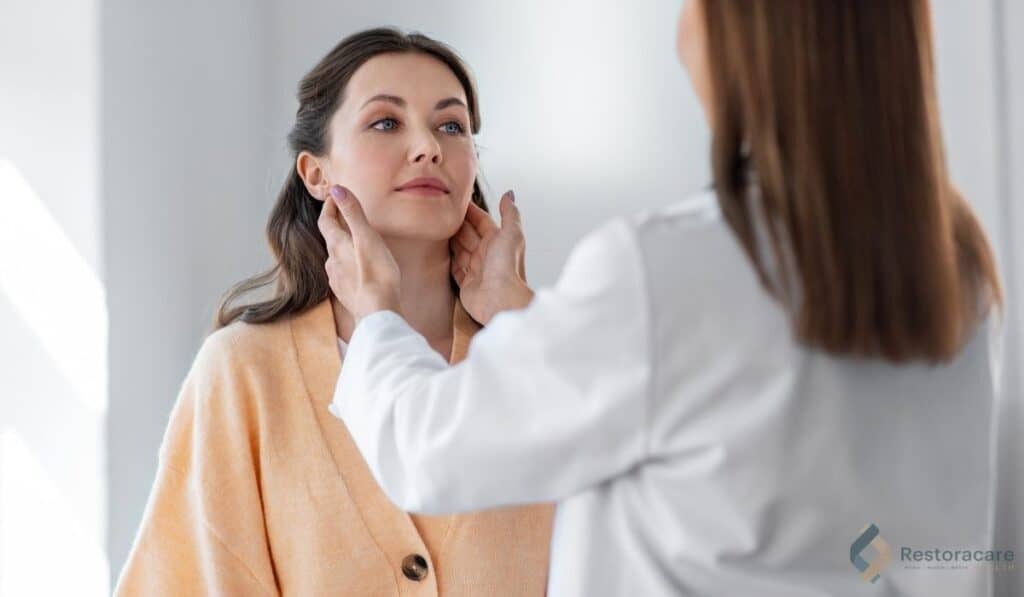
What Does Lymph Fluid Actually Do?
Think of lymph fluid as your body’s clean-up crew. It travels through a network of lymphatic vessels, collecting extra fluid, cellular waste, proteins, and debris from your tissues before filtering them through the lymph nodes and other immune-related organs.
A healthy system helps maintain balance between cells and surrounding fluid. When that movement slows, tissues may feel swollen or tight. Some people notice ankle swelling after a long flight.
Others feel facial puffiness after poor sleep or stress. The signs vary, but stagnant fluid usually leaves clues.
Here’s the key difference many patients find surprising:
- Your cardiovascular system has the heart to pump blood continuously.
- The lymphatic system has no central pump.
Healthy movement depends on muscle contractions, walking, stretching, diaphragmatic breathing, and manual techniques that help stimulate fluid flow.
That’s one reason desk jobs can create trouble over time. Eight straight hours in a chair may slow circulation through the hips and lower limbs. A sprained ankle or stiff shoulder may create a similar effect around injured tissues.
Ready to Feel Better?
Why Stagnant Flow Creates Tension and Puffiness
Reduced movement often leads to sluggish lymphatic flow. We see this frequently after joint injuries, postural strain, or long recovery periods following surgery.
Common signs may include:
- Heavy-feeling legs
- Mild swelling around joints
- Facial or ankle puffiness
- Lingering muscular tension
- A stiff feeling first thing in the morning
One patient described it perfectly during rehab: “My body felt stuck.” That description pops up a lot, honestly.
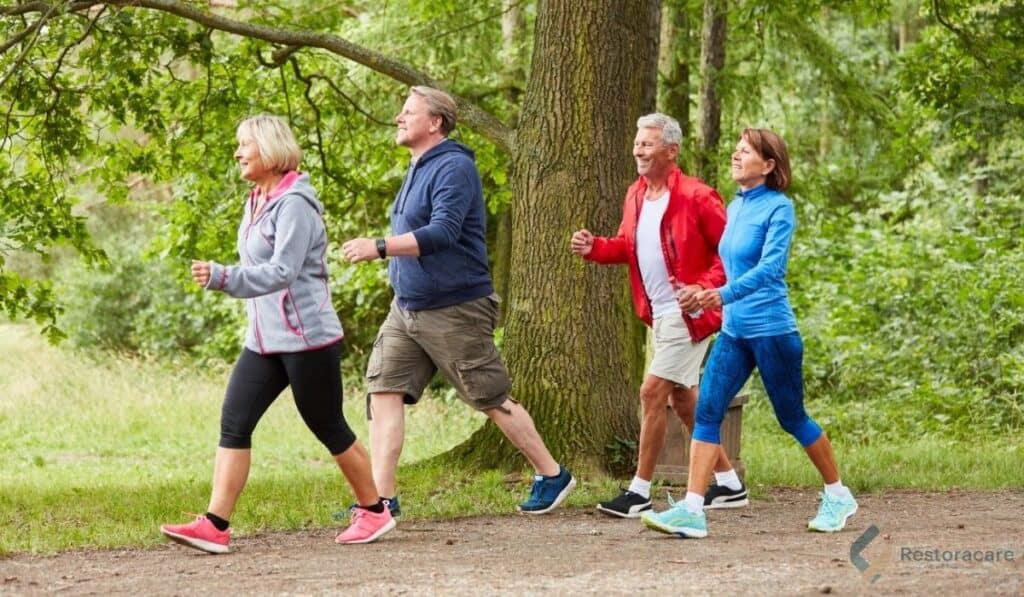
Small daily habits may help support natural movement:
- Short walking breaks every hour
- Gentle mobility exercises
- Deep belly breathing
- Light stretching before bed
- Consistent hydration
Our chiropractors also educate patients about posture and joint mechanics because restricted movement patterns may influence long-term circulation and recovery comfort.
Therapist’s Verdict: Why Fluid Balance Matters
Supporting healthy fluid balance directly aids your immune system response. Toronto physiotherapists often discuss this during post-surgical rehabilitation and chronic swelling management.
For example, reduced shoulder mobility after breast surgery may influence surrounding fluid movement. Gentle mobility care, clinically appropriate exercise, and soft tissue treatment may help encourage more comfortable drainage patterns over time.
At Restoracare Health, we approach these concerns conservatively and collaboratively. Some patients benefit from physiotherapy, while others respond well to massage, mobility work, or chiropractic support focused on joint function and muscular restriction.
The first order of business always involves understanding what limits healthy movement in the first place.
4 Popular Lymphatic Drainage Tool Options to Shop for At-Home Care
Walking into the wellness aisle can feel chaotic fast. Every second tool promises glowing skin, slimmer features, or instant sculpting results. Some options may support comfort and circulation when used correctly. Others need a lighter touch than people expect.
Different tools suit different goals. Here’s a practical breakdown based on what we commonly discuss with patients.
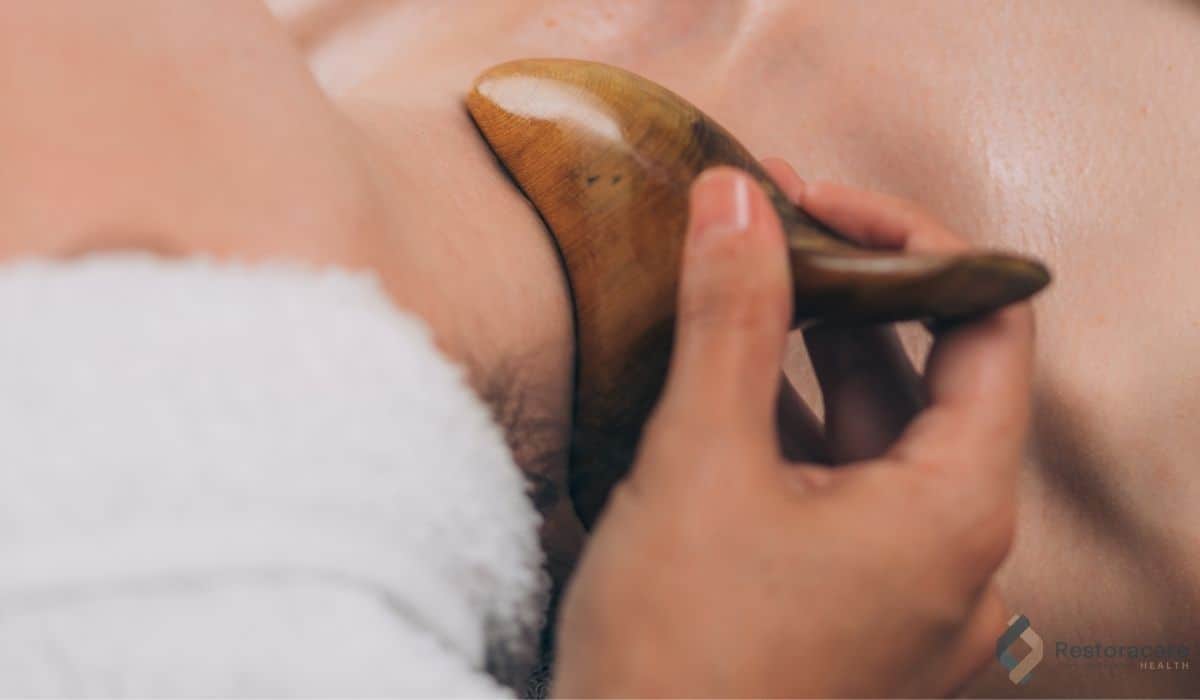
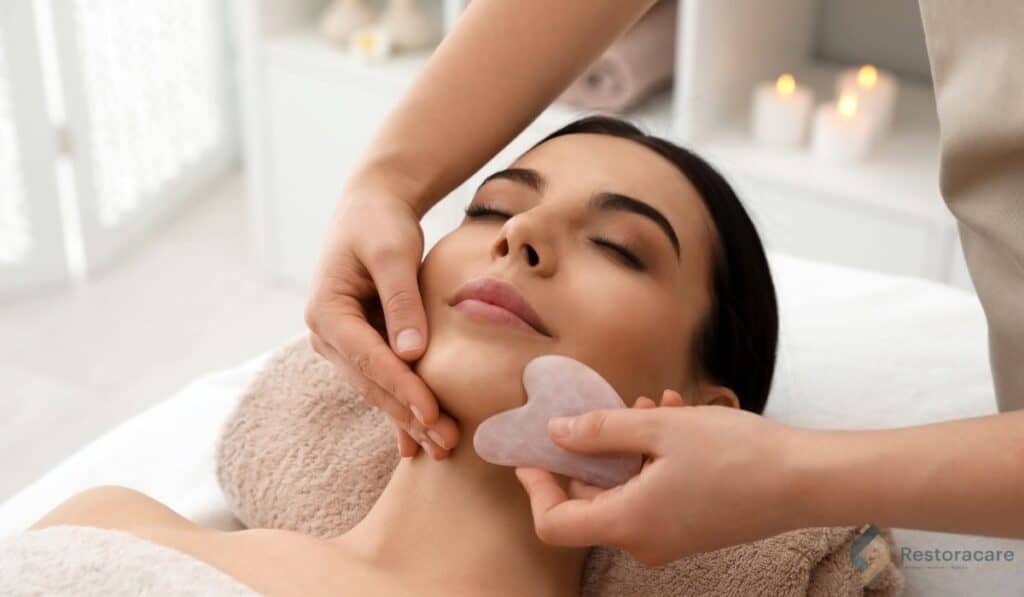
1. Traditional Gua Sha Stones and Rose Quartz Rollers
A smooth gua sha stone or rose quartz roller works well for gentle facial work and daily self-care. These tools usually fit easily into a nighttime skincare routine.
Many people use them to:
- Gently massage the jawline and cheeks
- Reduce morning puffiness
- Ease facial tension
- Soften the appearance of fine wrinkles
- Encourage a subtle facial lift
Cool stone surfaces may also feel calming after screen-heavy workdays. We often suggest storing a rose quartz tool in the fridge for extra comfort around tired eyes.
Light strokes matter most here. Hard scraping rarely improves results.
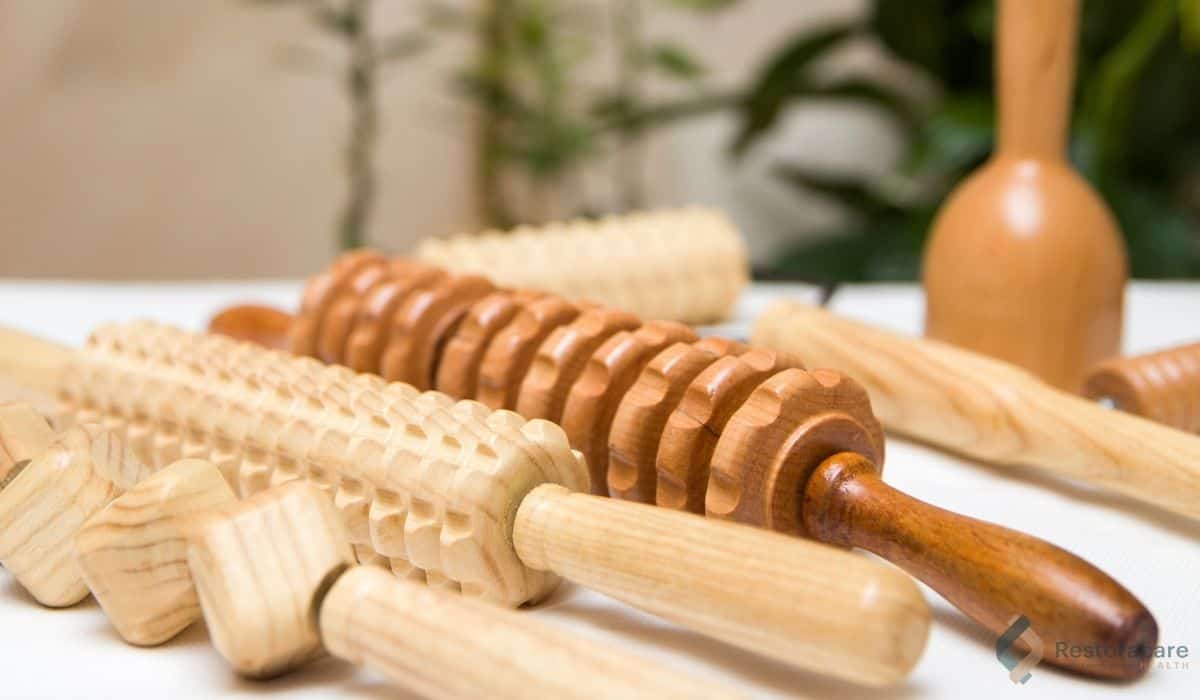
2. The Contoured Wooden Body Tool
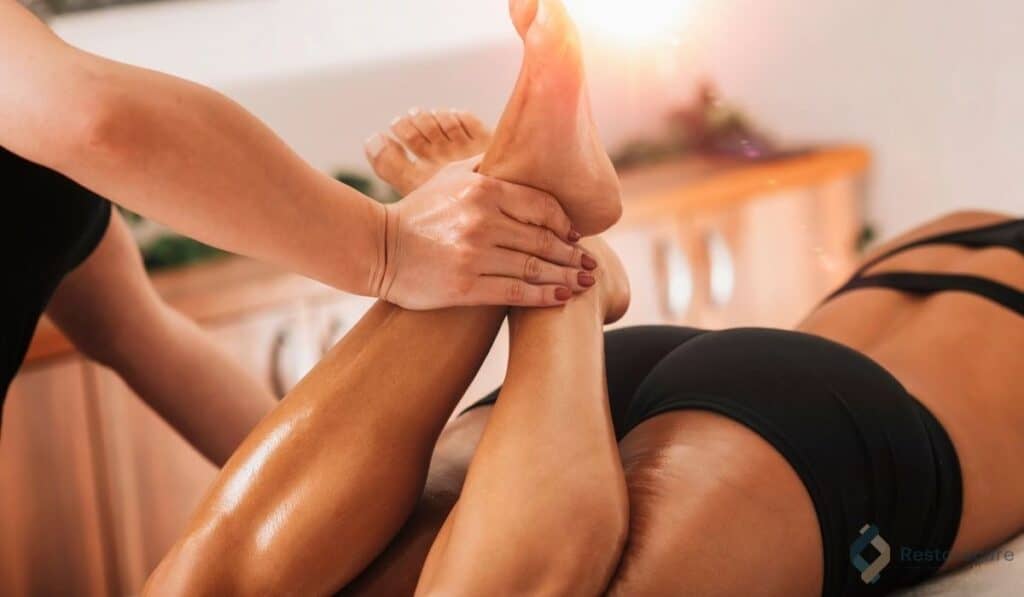
A wooden body tool targets larger muscle groups across the arms, thighs, calves, and upper back. These rollers appear frequently in spa settings and body contouring clinics.
Their shape helps direct movement through broader treatment zones. Some people use them to encourage movement of excess fluid toward major drainage regions near the torso.
Examples of common target areas include:
- Outer thighs
- Hamstrings
- Calves
- Upper arms
- Hips
Pressure should stay controlled and comfortable. Aggressive rolling may irritate deeper tissues and small capillaries under the skin.
3. Handheld Mechanical Massage Tools
Mechanical rollers and textured handheld devices often focus on fascial tightness. A firmer massage tool may help loosen dense muscular areas and encourage local circulation.
People commonly use these tools after:
- Long work shifts
- Intense gym sessions
- Sports training
- Travel days with prolonged sitting
Restricted fascia sometimes traps fluid locally. Gentle repetitive massage may help encourage movement of stagnant cellular fluid and metabolic toxins through tight regions.
One practical tip we share often: Start with smaller specific areas before covering the entire limb. Patients usually tolerate shorter sessions better.
4. Targeted Facial Toning Devices
A facial toning device typically uses sonic vibration or low-level microcurrent technology. These options mainly focus on facial sculpting, temporary depuffing, and improving the superficial appearance of the skin.
People often use them around:
- The jawline
- Under-eye regions
- The neck
- The cheekbones
Morning facial swelling responds best to brief sessions and consistent routines. More intensity does not equal better results. Honestly, that misconception causes half the irritation issues we see.
Therapist’s Verdict: Why Light Pressure Matters
A facial toning device or stone changes the superficial appearance of the skin and lowers acute inflammation. But a heavier wooden massage tool requires careful handling.
Too much force can bruise deeper capillary loops. Know your tool. Respect your body. Start with light pressure on specific areas and increase only if your comfort level allows. For your first order, pick one drainage tool that matches your main concern. Don’t buy three at once.
Massage should feel good, not scary. Whether you choose gua sha for your face or a roller for your legs, the key is consistency. Five minutes a day beats one hour once a week.
How to Safely Use Your Lymphatic Drainage Massage Tool in 4 Steps
Using a lymphatic drainage massage tool the wrong way can backfire. Too much pressure or the wrong direction? You might as well skip it. Below are four safety-first steps we teach every patient at our clinic.
Step 1: Open the Lymph Nodes First
Always begin at the main stations. Your lymph nodes live in your neck, armpits, groin, and right behind your knees.
Use your fingertips to pump these areas lightly before touching your drainage tool anywhere else. Fluid needs an open exit, so think of it like opening a gate before you push a crowd toward it.
Step 2: Never Skimp on Slip
Dry skin plus any drainage tool equals trouble. Apply a light body oil or moisturizer so the tool can glide gently across your skin. No dragging and no pulling. You don’t want to end up with red scratch marks because you used a roller on your bare legs. A few drops of oil help!.
Step 3: Master the Upward Motion
All rhythmic strokes follow one rule: move toward your torso. That means upward motion from your feet to your groin, from your hands to your armpits, and from your forehead down toward your collarbone.
Each sweep pushes fluid closer to a lymph node cluster. Never stroke downward away from the torso.
Step 4: Protect Your Tissues with Very Light Pressure
Here’s where most people go wrong. Too much pressure collapses the tiny lymphatic capillaries right below your skin. Then drainage stops completely. Stick to gentle pressure that feels like petting a cat, not kneading dough. Your comfort level is the only guide you need.
Our registered massage therapists use these exact directional sequencing rules during a professional lymphatic drainage massage. We teach patients that light pressure is a functional clinical choice, not an accident.
Very light pressure works better than firm pressure every single time. Build this into your routine or self-care routine, and you’ll see real results.
3 Powerful Health Benefits of Consistent Lymphatic Drainage
Why commit to this? Because the benefits add up fast. Turn it into a self-care routine, and your body will thank you. Here are three big ones.
1. Enhanced Circulation
Manual strokes take pressure off your capillaries. That helps improve circulation in two ways. First, blood circulation gets a boost because fluid isn’t crowding the vessels. Second, oxygen reaches your muscles faster.
We call this enhanced circulation, and enhancing it is easier than you think.
2. Systemic Inflammation Management
Stagnant metabolic waste causes swelling inside muscle groups. Clearing it out may help reduce inflammation after a tough workout or a long flight.
Faster muscle recovery leads to optimal results whether you are an athlete or a weekend gardener. Less soreness, more energy!
3. Long-Term Fluid Balance Support
Regular movement minimizes fluid retention cycles. Those puffy ankles at the end of a hot day? They become less frequent. Your lower limbs feel lighter. This kind of support for your circulation pays off year after year.
Safety First: Cancer Recovery and When to See a Professional
Some situations need more than a home massage. We take safety seriously. Here’s what you should know.
Lymphatic Care and Cancer Recovery
The Canadian Cancer Society reports that lymphedema is a common side effect for breast cancer survivors. It can appear months or even years after treatment due to the removal of or damage to regional lymph nodes.
Survivors exploring at-home care should avoid aggressive manual pressure. Forceful massage tools can damage vulnerable capillaries. Post-treatment swelling needs an explicit clinical diagnosis first.
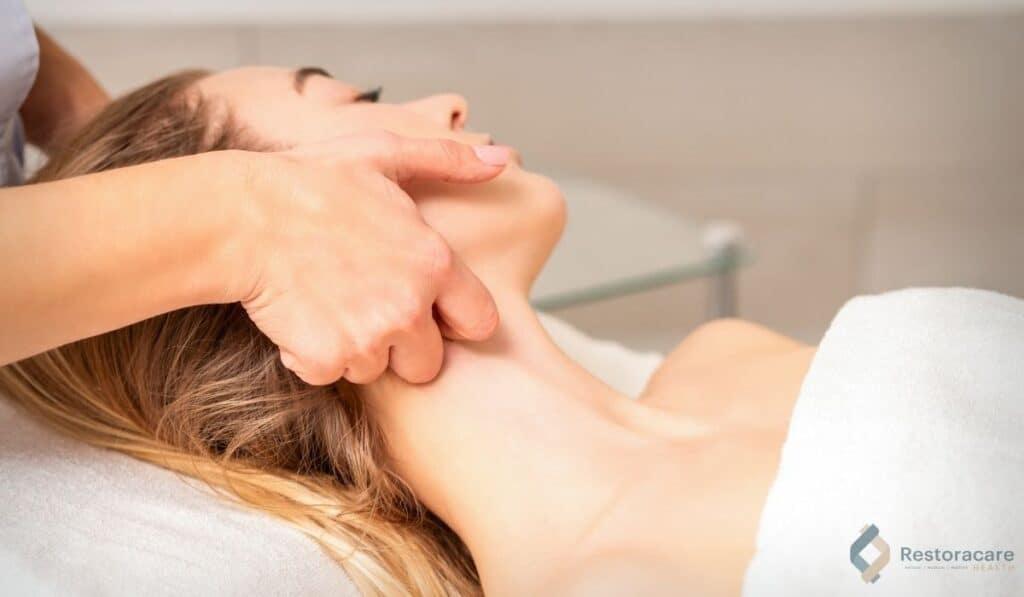
Restoracare Health’s registered massage therapists are trained in Manual Lymphatic Drainage (MLD). This gentle, certified technique works well for post-surgical recovery and lymphedema management.
Survivors should book a professional assessment before introducing any commercial body tool into their routine. This step is beneficial for protecting delicate tissues and getting proper support.
Therapist’s Verdict: When to Choose Professional Clinical Treatment
Severe asymmetrical swelling? Acute postsurgical edema? Structural trauma from an injury? A commercial home tool is not a safe substitute for evidence-based clinical treatment.
Our multidisciplinary clinic builds personalized rehabilitation programs. We integrate lymphatic drainage massage protocols with physiotherapy or chiropractic corrections.
These address the root joint or postural restrictions causing fluid retention. Book an assessment. Your body deserves that much support.
Final Thoughts
Here’s the truth. The best tool is the one you will actually use. A fancy gadget collects dust if it feels like a chore. Your goal decides everything. Facial puffiness? Grab a small stone. Heavy legs after work? Go for a wood roller.
Gentle technique matters more than any lymphatic drainage tool on the market.
Make this part of your self-care routine. Your wellness improves with consistency, not intensity. Five minutes a day, that’s all.
Still dealing with persistent or one-sided swelling? That needs a pro. Book an assessment with us. We will figure it out together. Visit our homepage to learn more about how we support your health journey.