
Life in Toronto moves fast, and a recent study highlighted a tough reality: our city’s workers are searching for burnout relief hundreds of times each month. That feeling of constant tension is a signal your body sends for help.
From our experience, the right wellness massage Toronto residents trust can be a powerful answer. This guide explores seven distinct types of Thai massage in Toronto, showing you how these ancient practices offer modern solutions for pain, stress, and stiffness.
You’ll discover the profound Thai massage benefits and how Thai stretch therapy can unlock your body’s natural potential for healing and ease.
If you’re new to this, you might first ask what is a Thai massage. Our guide on Thai Massage covers its healing foundations.
In a future post, we’ll break down the specific Thai massage techniques our therapists use. For now, let’s find the perfect style for you.
Key Points
- Thai massage supports pain relief, flexibility, and stress reduction through personalized different techniques.
- Each style—traditional massage, herbal compress, oil, aromatherapy, yoga, foot, and royal—targets specific wellness needs.
- Regular sessions can enhance posture, mobility, and overall health.
- Restoracare Health offers experienced therapists who personalize every treatment for your comfort and goals.
- Ready to start your wellness journey? Book Thai massage Toronto and explore the unique benefits firsthand.
Understanding Traditional Thai Massage and Its Core Principles
Before exploring the different styles, it helps to understand what makes traditional massage so unique. We’ll look at its ancient roots and the core ideas that make it so effective for modern aches and pains.

Nuad Thai: The Ancient Foundation
At the heart of it all is Nuad Thai massage. This is an ancient healing practice, its roots weave together Thai culture and Ayurvedic principles from India. Think of it not as a simple rub, but as a deeply engaged form of unique therapy.
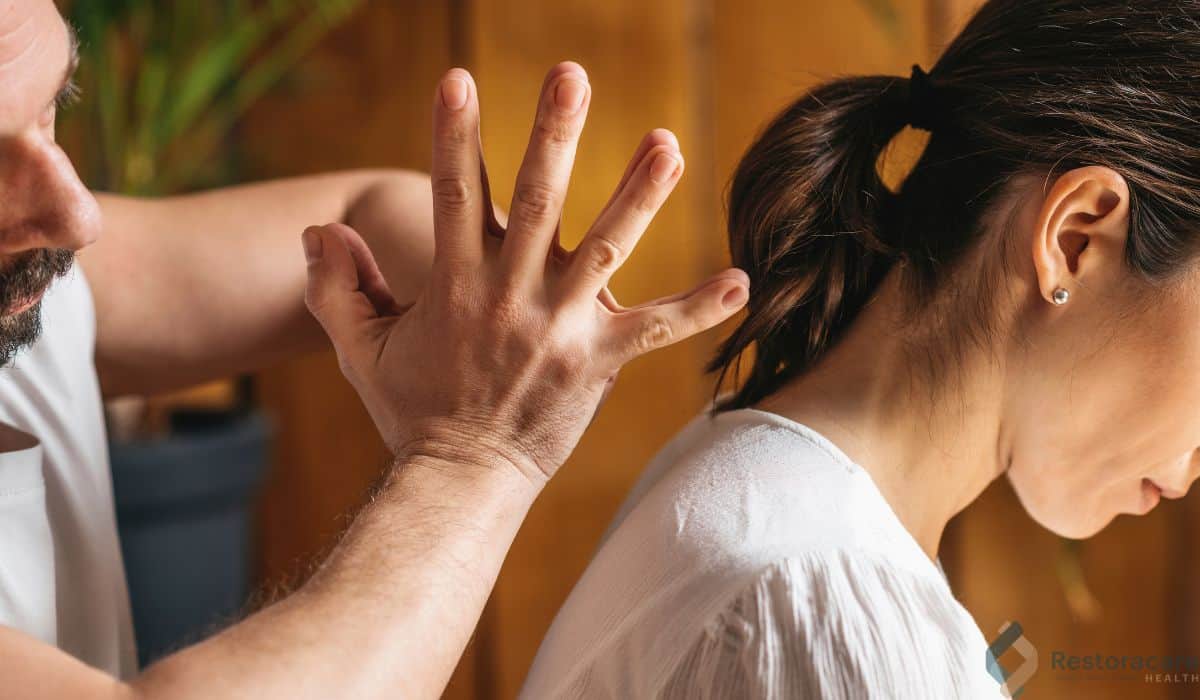
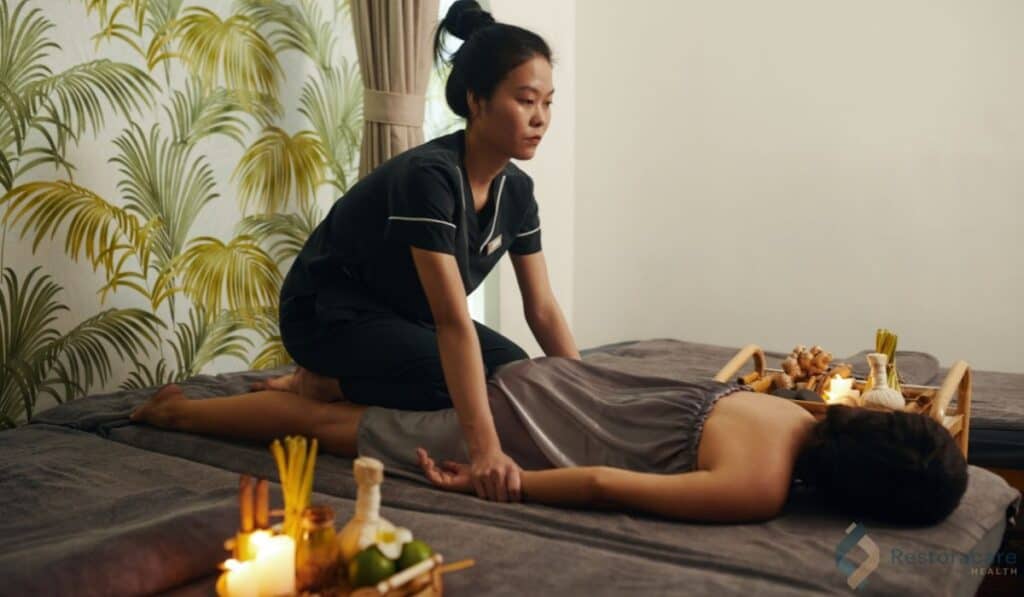
A massage therapist uses their hands, thumbs, and even elbows to apply firm, mindful pressure. They then guide your body through a series of yoga like stretches. This combination is key.
The pressure prepares the muscles, and the stretching helps to increase your range of motion in a very supported way. It’s a dynamic dance of compression and movement.
The Concept of Sen Energy Lines
This ancient healing practice operates on a fascinating principle. It focuses on the body’s energy lines, known as Thai energy lines or Sen lines. Think of these like rivers of vitality flowing through your body. When these rivers get blocked, you might feel stiffness, pain, or a lack of energy.
During a Sen line massage, the massage therapist applies rhythmic pressure along these specific pathways. The goal is to clear any obstructions. This process can support your body’s natural ability to restore perfect balance and promote a profound sense of overall wellness.
It is a cornerstone of Thai healing arts.
How It Differs from Western Massage
If you have only had western massage techniques, Traditional Thai massage Toronto styles will feel different. First, you remain fully clothed for the session. It’s performed on a comfortable floor mat, not a raised table. No oils or lotions are used.
The focus is not only on muscle tension. It’s on your entire body’s mobility, your posture, and even your breathing rhythm. You become an active participant in your own release. Unlike western massages, this is a wonderfully engaging alternative.
Western massages often emphasize oils and stationary positions, but Thai styles invite movement and combines acupressure for a more holistic approach.
Core Techniques in Practice
Massage therapists employ a graceful set of traditional techniques. They use their thumbs for precise acupressure techniques. Their palms and forearms apply broad compression. Elbows can access deeper layers of chronic muscle tension safely.
The entire session consists of flowing strokes, rhythmic movements, and meditative movements.
The massage therapist might rock you gently or hold a stretch to allow a muscle to fully let go. This methodical approach aims to relieve tension that has built up over months or even years. It’s about creating lasting change, not just a temporary fix, harnessing the transformative power of this unique therapy.
Exploring 7 Distinct Types of Thai Massage for Every Wellness Journey
Thai massage comes in many forms. Each one is designed for a specific need, from chronic muscle tension to stress reduction. Here’s our guide to the most popular types of Thai massage we offer, each offering unique benefits through different techniques.
- Traditional Thai Massage (Nuad Thai)
This is the foundational style we just described. It focuses on balancing the body’s energy lines to improve blood circulation and support emotional balance. People often choose this for overall health and to boost their energy flow. It’s a fantastic full body massage tune up.
- Thai Herbal Compress Massage
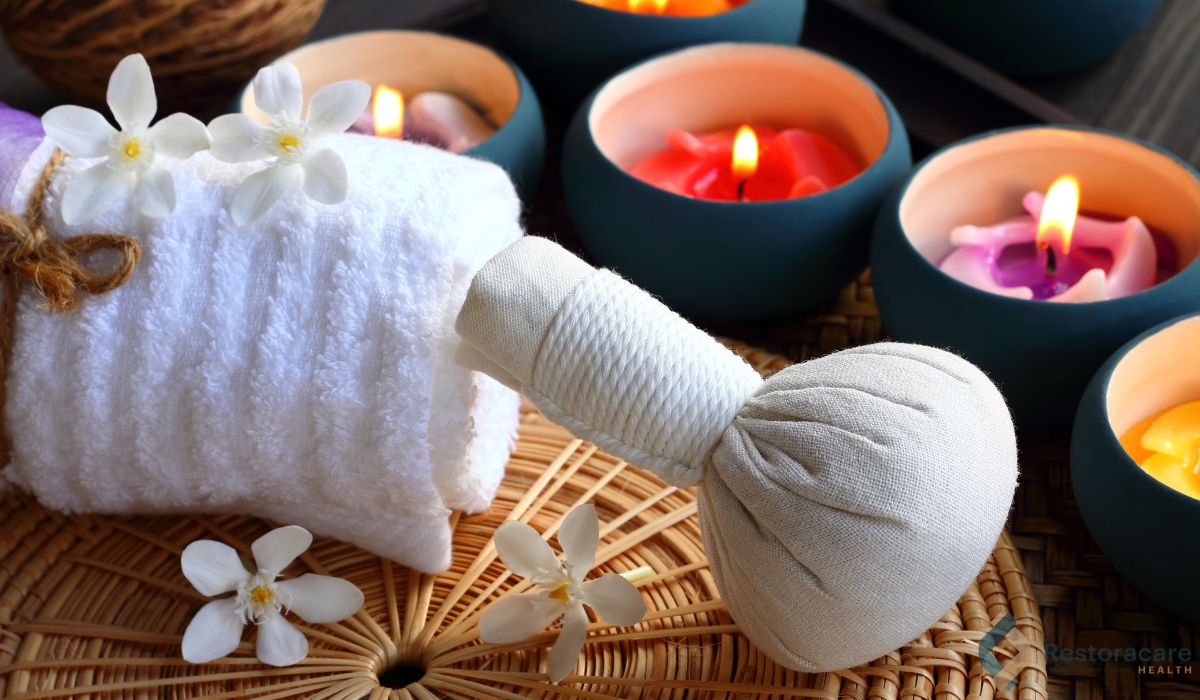
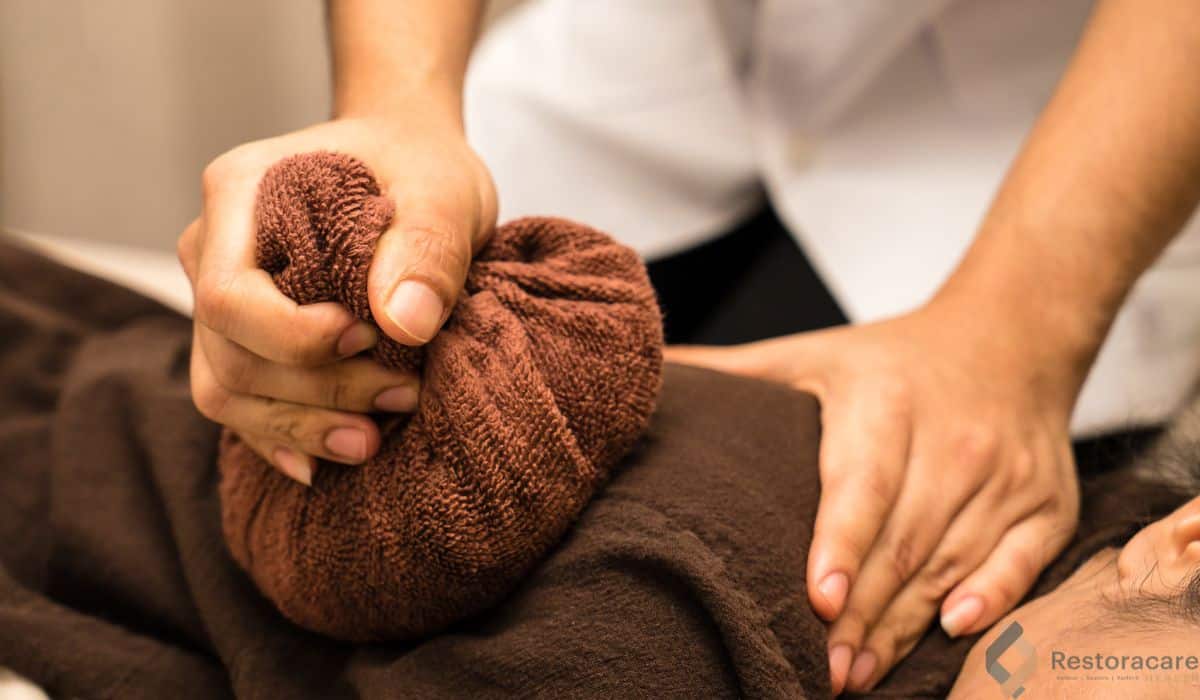
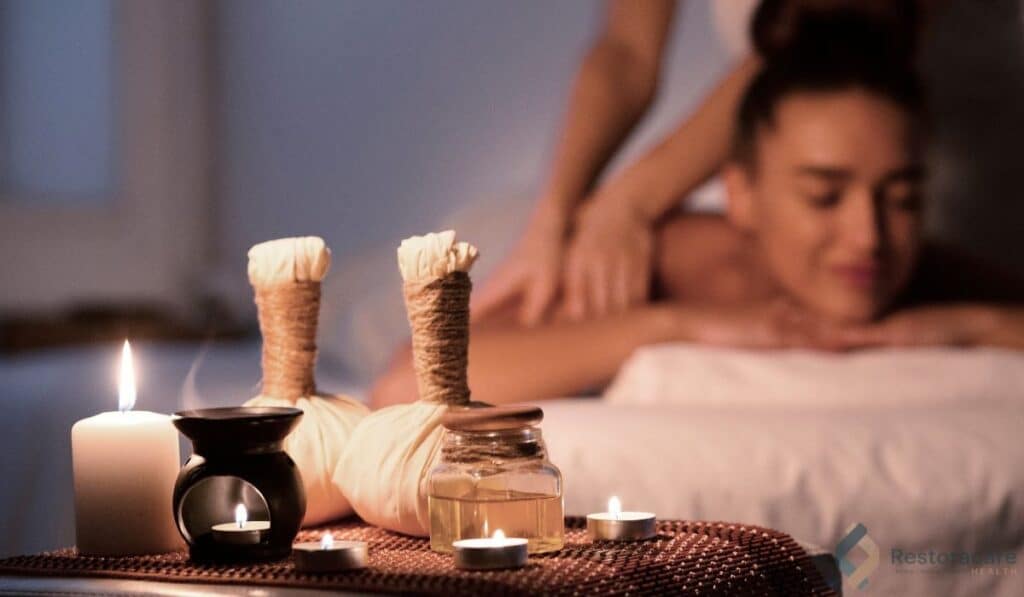
This is a true sensory experience. We use heated herbal compresses called Luk Prakob. They are stuffed with a blend of therapeutic herbs like lemongrass, kaffir lime, and camphor, known for their healing properties.
The combination of moist heat and healing properties is superb for soothing sore muscles and relieve pain.
A Thai herbal compress Toronto appointment can be ideal for anyone dealing with joint pain or inflammation, such as from arthritis or old injuries, especially foot and leg pain or leg pain.
- Thai Oil Massage
This style offers the best of both worlds. It blends the assisted stretches of Traditional Thai massage with the soothing glide of aromatic oils. The Thai oil massage benefits include combined Eastern energy work with western massage techniques for relaxation.
It feels incredibly luxurious while still being deeply therapeutic. It’s a perfect balance for those new to Thai traditional techniques.
- Thai Aromatherapy Massage
For those seeking deep relaxation, this is a top choice. We use specific essential oils known for their calming healing properties. The gentle strokes and soothing scents work together to calm the nervous system with gentle pressure.
A Thai aromatherapy massage session can be a powerful tool for de stress or anxiety. It may also promote more restful sleep, offering a profound sense of calm.
- Thai Foot Massage
Don’t underestimate the power of a foot massage. Based on reflexology principles, this ancient healing practice applies pressure to points on the feet correspond to other body parts. A Thai foot reflexology session does more than relieve pain in tired lower legs.
It can improve blood circulation throughout your legs and may encourage body wide deep relaxation. It’s a great option for people who are on their feet all day, addressing foot and leg pain effectively.
- Thai Yoga Massage
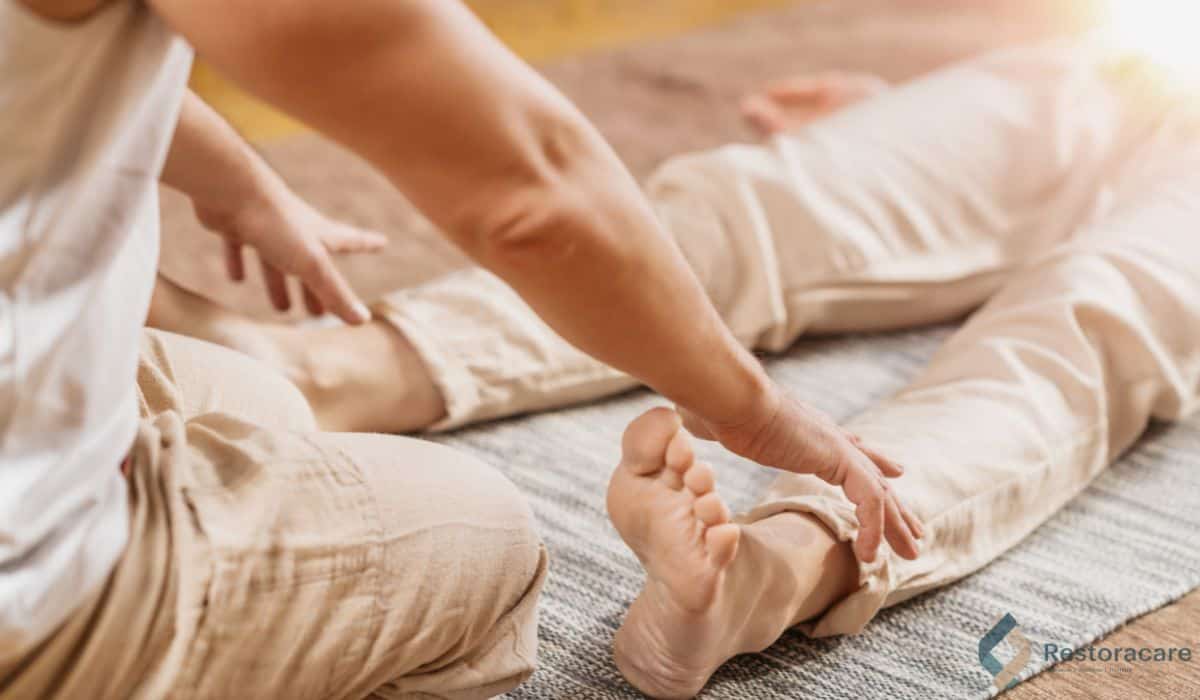
Athletes and desk workers alike love this style. Thai yoga massage Toronto therapists act as a gentle guide, moving you into assisted yoga postures. You do not need to be flexible.
The massage therapist supports your body to safely improve your flexibility and balance through combines acupressure and stretches. This can lead to better athletic performance and help counteract the effects of sitting all day, easing muscle tension in various areas.
- Royal Thai Massage
Traditionally reserved for royalty in Chiang Mai, this style is subtle and precise. Royal Thai Massage uses slower, more refined rhythmic movements. The massage therapist often relies on their palms and thumbs with slow, constant gentle pressure.
The focus is on correct alignment and posture correction. It’s a very deeply relaxing yet powerful method, excellent for those who prefer a lighter touch or have significant sensitivity to joint pain.
Matching Thai Massage Styles to Your Specific Health Concerns
Not sure which type suits you? Here’s how each style supports different health goals. We’ll help you connect your needs to the most effective different techniques. Our holistic approach ensures the transformative power of Thai massage aligns with your wellness journey.

For Chronic Pain and Joint Stiffness
If you deal with persistent aches, your focus should be on therapies that address deep tissue chronic muscle tension.
The combination of targeted pressure and soothing heat is incredibly effective. A Thai massage for pain relief often involves the Traditional style or the Herbal Compress.
The heated herbal compresses deliver moist heat that can penetrate deeply. This process may help soothe inflammation and ease joint pain. Many of our clients with old injuries or arthritis find significant comfort here, especially for leg pain in the lower legs.
For Stress Relief and Sleep Quality
When your nervous system is in overdrive, you need a calming approach. The best Thai massage for stress is often one that incorporates scent and soothing touch. Thai Aromatherapy and Thai Oil massages are perfect for this.
The Thai aromatherapy benefits include a direct calming effect on the mind with flowing strokes. This can help quiet racing thoughts and support better sleep patterns. It‘s like a reset button for your entire nervous system, promoting deep relaxation and as a way to de stress.
For Posture and Flexibility
Years at a desk or repetitive athletic motions can create limitations. To improve your range of motion, you need active assistance. Thai Yoga Massage and Royal Thai Massage are champions for this.
They work on lengthening tight muscles and realigning the spine through acupressure techniques. This dedicated Thai massage for flexibility can help you stand taller and move more freely.
Athletes use it for recovery, while office workers use it to counteract slouching and muscle tension.
For Circulation and Energy Flow
Sometimes you just feel sluggish, both physically and mentally. The goal here is to get your energy moving again. Traditional Thai massage and Thai Foot Reflexology are excellent for this.
They use rhythmic movements to boost blood circulation and lymphatic flow along the body’s energy lines. This type of Thai massage for circulation can create a feeling of body-wide rejuvenation.
It’s a fantastic way to combat that heavy, tired feeling in your lower legs and body, as points on the feet correspond to various organs and body parts.
What to Expect During Your Thai Massage Experience in Toronto
A great session begins with understanding what the process looks like. Knowing what to expect helps you relax fully and get the most from your treatment, embracing the unique therapy of Thai practices.
Pre-Treatment Preparation
The Thai massage experience Toronto residents are used to starts with a friendly chat. We discuss your health history and what you hope to achieve.
Wear loose clothing like gym attire, as you will be moving and stretching. We also suggest removing any jewellery. This consultation ensures your session is tailored perfectly to you. It’s all about your safety and comfort.
During Your Session
Your Thai massage therapy session takes place on a comfortable mat on the floor. The massage therapist will gently move you through a series of stretches and apply acupressure techniques. Communication is key.
We always check in on pressure levels. You should feel a satisfying release, not sharp pain. Many people describe the sensation as a pleasant, focused stretch with gentle pressure.
Therapeutic Benefits to Expect
Afterward, people may notice an immediate profound sense of release from stiffness. The real magic comes with consistency.
Over time, these Thai wellness treatments can contribute to better posture, greater flexibility, and improved stress management through a holistic approach.
It’s a cumulative process of feeling better in your body, relieve tension, and enhancing overall health.

Post-Treatment Care
Drink plenty of water afterward to help your body process the release. Listen to your body and rest if you feel tired. Gentle stretching over the next few days can maintain the benefits.
For lasting results, we find most people benefit from a session every two to four weeks. This frequency helps manage muscle tension before it builds up again, drawing on the healing properties of therapeutic herbs when applicable.
Final Thoughts
Every person’s body tells a different story, and Thai therapy Toronto sessions are a great way to listen to what yours needs. With its mix of movement, stretching, and calm breathing,
Thai massage helps create space for the body to relax and recover, unlike western massages that may focus solely on surface-level western massage techniques.
The best results often come with consistency and open communication with your massage therapist.
At Restoracare Health, we tailor every session to fit your goals, whether you’re easing tight muscle tension, improving flexibility, or simply wanting a quiet hour to de stress. A Restoracare Health full body massage focuses on comfort, care, and gradual progress that feels right for you.
If you’re ready to experience how this ancient healing practice supports both body and mind, now’s a good time to book Thai massage Toronto appointments and see the unique benefits firsthand.
Visit our homepage to explore more about our wellness services and start your next step toward feeling better.