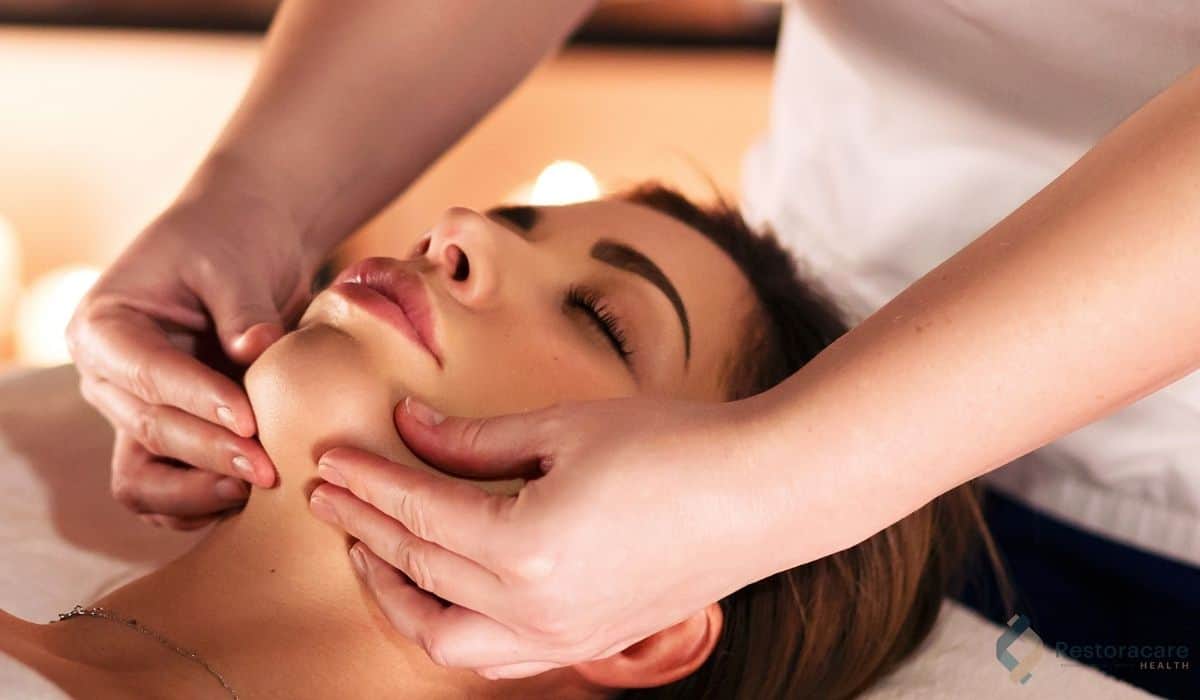


A buccal massage often gets mistaken for a luxury facial. But when it’s performed by a Toronto RMT, it can qualify as a form of therapy that may be covered under workplace benefits. That balance between deep tissue work and visible facial sculpting is what draws so much attention.
From our experience, people usually come in curious about what is a buccal massage in Toronto, then stay for the relief it brings to jaw tension, muscle tension, and overworked facial muscles.
This type of buccal facial massage blends facial massage with a holistic approach that supports comfort, function, and natural beauty through intentional treatment.
If you are curious about visual results, our article on buccal face massage before and after walks through what changes people often notice.
For safety-related questions, we cover buccal massage side effects in a dedicated follow-up. A broader clinical overview can also be found in our main pillar guide, Buccal Massage.
Key Points
- Buccal massage eases jaw tension through inner and outer facial muscles work, blending therapy with a touch of sculpting.
- We cover techniques that reach deeper layers, spotlight key spots like TMJ and lymphatic drainage, plus the science linking stress to headaches.
- Sessions feel reassuring with gloved hands and gentle pressure; expect quick reduced puffiness and building transformative results over time.
- A holistic approach to natural beauty, backed by 2025 insights on circulation boosts and relaxation perks.
Understanding Buccal Massage Techniques and How They Work
To truly appreciate its value, we need to look at how a buccal massage operates on a technical level. Let’s explore the mechanics that set it apart.
What Makes Buccal Massage Different From Traditional Facial Massage
Think of a traditional facial massage as working on the surface of a sweater. A buccal facial massage, however, reaches inside to smooth the fabric from within. The core difference is access. Traditional techniques and tools like gua sha work externally.
Buccal massage techniques are primarily internal. This allows us to interact with muscles at their origin, offering a more direct approach to tension. It’s a fundamental shift in technique.
Intra-Oral Work and Accessing Deeper Facial Muscle Layers
Why work inside the mouth? Simple. It provides a direct highway to muscle layers we can’t adequately reach through the skin. By applying gentle, precise pressure from inside the oral cavity, we can access the buccal portion of major facial muscles.
This intraoral work lets us target the deeper layers where chronic tension often lives. It’s about precision. We can gently stretch and release the muscles that shape your expression and jaw function from their root attachment points. The approach is calm and focused.
Why Professional Training and Practitioner Skill Matter
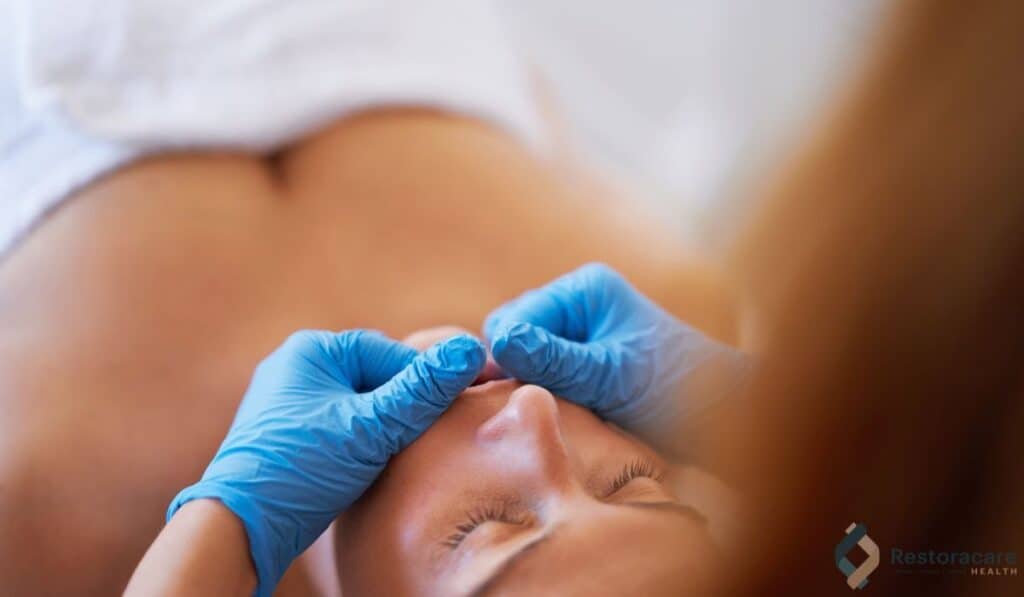
This is not a DIY treatment. The mouth is a sensitive area with complex anatomy. A skilled practitioner uses meticulous hygiene, like gloved hands, and expert knowledge of facial structures. They understand how much pressure is both effective and safe.
Because the work is performed inside, proper training is non-negotiable. It ensures the technique delivers benefits without risk, making the practitioner’s skill your greatest safety feature.
Ready to Feel Better?
What is a Buccal Massage Focusing On? Key Treatment Areas
So, what does a buccal massage actually do? Its focus is both specific and interconnected, targeting key zones of tension and stagnation.
Relieving Jaw Tension and TMJ-Related Discomfort
A primary focus is relieving jaw pain and discomfort linked to the temporomandibular joint (TMJ). Many people hold significant stress in their jaw muscles, leading to jaw tension, pain, and even diagnoses like temporomandibular joint disorder (TMD).
The buccal massage focuses on releasing the masseter and pterygoid muscles—the main culprits of tmj pain. By softening these often-rocky jaw muscles from the inside, we can help ease the strain on the entire jaw area. The goal is to create a sense of ease.

Releasing Tight Facial Muscles in the Face, Neck, and Shoulders
Your jaw doesn’t operate in isolation. Tight jaw muscles pull on connecting tissues, creating a chain reaction. This often leads to tight facial muscles, facial pain, and tension that radiates down into the neck and shoulders.
Releasing the jaw’s core tension can soften this entire pattern. We often find that as the facial muscles let go, clients feel a wave of relaxation down their neck. It’s a functional release that improves comfort in your daily life.
Supporting Lymphatic Drainage and Healthy Circulation
The benefits extend to your body’s fluid systems. Gentle, directional strokes encourage lymphatic drainage, helping the lymphatic system clear metabolic waste and reduce puffiness.
Furthermore, the pressure and manipulation improve blood flow to the facial tissues. This improved circulation delivers more oxygen and nutrients.
The combined effect? It supports the skin’s natural vitality and can contribute to a fresher, healthier glow. It’s about enhancing your natural function.
The Science Behind Facial Pain Relief and Muscle Tension Release
The magic of this therapy isn’t magic at all. It’s grounded in straightforward anatomy and physiology. Let’s connect the dots between tension and relief.

How Jaw Tension Contributes to Facial Pain and Headaches
Picture your jaw muscles as a complex web of rubber bands. Chronic clenching, or stress, makes these bands overly tight. This tight jaw strain doesn’t stay put. It refers pain outward, often manifesting as diffuse facial pain or tension headaches.
For some, this muscular tension can even be a trigger for migraines. The cause-and-effect is clear: release the core jaw tension, and you can often soften the accompanying pain patterns.
Working With the Temporomandibular Joint and Jaw Mechanics
The temporomandibular joint (TMJ) is an intricate hinge. It’s designed for smooth movement, but tension gums up the works. Tight jaw muscles pull the joint out of its happy place, leading to clicking, stiffness, and TMJ pain.
Our intra-oral pressure works to calm those muscles. We aim to reduce the pulling force on the jaw area, allowing the jaw mechanics to function with less strain and sensitivity. It’s about creating a better environment for the joint.
Relaxation, Nervous System Response, and Stress Relief
Here’s the wonderful mind-body bit. Physical release of tension signals safety to your nervous system. As we gently ease muscle tension, it cues your body to shift toward a state of relaxation.
This can downregulate your stress response. One of the key benefits of buccal massage is this dual effect: physical release begets mental calm. You learn to relax the jaw you may not even know was held tight.
Treatment Experience and Expected Outcomes
Curiosity about the actual session is normal. We’ll walk you through it from start to finish, so you know exactly what lies ahead.
What to Expect During a Buccal Massage Session
First, we have a chat about your goals and history. You’ll recline comfortably. The treatment is very focused. Using gloved hands, the practitioner will apply a light, professional-grade lubricant. The work is performed inside with one hand supporting your face externally.
They will use slow, deliberate motions inside of the mouth to assess and release the inner muscles. Communication is ongoing. The pressure is always within your comfort zone, making the process collaborative.
Sensations During Treatment and Managing Discomfort
Some areas might feel tender, like a good stretch for a tight muscle. This mild discomfort is normal, especially in a sensitive jaw area. It should never cross into sharp pain. Your feedback is essential.
A simple “less pressure there” guides us perfectly. We always check about any major dental work or areas of sensitivity beforehand to tailor our approach. The goal is release, not distress.

Short-Term Benefits and Long-Term Transformative Results
Afterwards, many notice immediate reduced puffiness and a profound sense of looseness in the jaw. The lower face may appear more defined—a sculpted appearance from released bloat, not volume loss.
With consistent sessions, the benefits compound.
Improved muscle tone and continued release can lead to more defined jawline contours and facial sculpting. These transformative results come from improved function first, aesthetics second. It’s a journey.
Final Thoughts
Ready to give your face a break? Buccal massage wraps up as that smart, holistic approach to natural beauty. We love how it eases muscles and perks up skin with steady relaxation. Picture less grind, more glow from this gentle therapy.
Facial sculpting sneaks in as a bonus, too.
Check out Restoracare Health’s homepage for session details. Book yours today; your jaw will thank you!