

Back pain, stiff necks, and lingering aches send many people searching for answers, yet confusion often follows.
Recent patient surveys show that nearly 97% support the expanded chiropractic scope that now includes advanced diagnostic imaging such as MRIs and CT scans, a sign of growing trust in the profession.
From our experience, patients want clarity, not jargon. And so, with this guide, we’ll answer a common question: what does a chiropractor do in Toronto?
You’ll learn how chiropractic care supports the nervous system, improves musculoskeletal health, and fits into integrative health strategies focused on lasting pain relief and better overall health.
Curious about related topics? Check our piece on are chiropractors doctors for clarity on credentials. We also cover how long does chiropractic adjustment take to work in an upcoming post.
For solid data, check our guide on chiropractic facts and statistics. This article explains the full picture of modern integrative health approaches right here in Toronto.
Key Points
- A chiropractor’s first visit involves a detailed consultation, a physical exam, and a discussion of findings and a personalized treatment plan.
- Modern chiropractic care treats common conditions like back and neck pain, but also focuses on joint health, injury prevention, and overall wellness.
- In Ontario, you can see a licensed chiropractor without a referral, and many work collaboratively with other healthcare providers for integrated care.
- Chiropractic adjustments are considered safe when performed by a trained professional, with serious complications being very rare.
- Care is not just for pain; it is also used for preventive spinal check-ups, posture correction, and maintaining mobility and athletic performance.
The Science of the Human Frame
To understand modern chiropractic, we first look at your body’s brilliant design. Think of your musculoskeletal system as a moving frame that houses your most vital wiring.
The Spine and the Nervous System Connection
Your spine is far more than a stack of bones. It’s a protective vault for your spinal cord, the main information highway of your nervous system. Every heartbeat, breath, and step you take relies on signals flowing freely through this cord.
When your spinal health is optimal, this communication is clear. Consider a kinked garden hose; water can’t flow. Similarly, spinal misalignments can irritate nerves, disrupting function and sending pain signals.

How Joint Restrictions Affect Movement and Comfort
Small issues in your spine or other joints often create big problems. We call these joint restrictions or subluxations. A slightly stiff joint is like a door hinge with a bit of rust. It still works, but not smoothly.
This causes compensation, strain on surrounding muscles, and reduced mobility. Addressing spinal misalignments and joint restrictions helps restore proper movement.
This approach supports your overall musculoskeletal health, reduces the risk of musculoskeletal disorders, and enhances your body function for better overall health.
What Can Chiropractors Treat?
People often ask what conditions chiropractors treat. The scope is broad, focusing on your neuromusculoskeletal system. Our goal is effective pain management and improved function.
The “Big Three” Conditions
The most common visits involve back pain, neck pain, and tension headaches. These issues can appear suddenly from an injury or develop slowly as chronic pain. For example, that nagging low back pain from sitting all day is a classic presentation we see. Care aims to alleviate pain, reduce pain intensity, and address the root cause.
Ready to Feel Better?
Joint and Extremity Conditions
Chiropractic care extends beyond the spine. We assess and care for shoulders, hips, knees, and ankles. This includes:
- Sciatica and pelvic pain stemming from the lower back.
- Joint pain and muscle pain in the arms or legs.
- Repetitive strain injuries in wrists or elbows.
Specialized and Lifestyle-Related Care
Life’s specific chapters often need tailored support. We help manage:
- Sports injuries, from weekend warrior sprains to athletic performance strains.
- Pregnancy-related discomfort by focusing on the changing pelvis and spine.
- Age-related mobility challenges to maintain stability and independence.
The objective is always to decrease pain, offer immediate relief where possible, and support long-term musculoskeletal health.
Reasons to See a Chiropractor in 2026
Chiropractic has evolved. It’s now a major part of proactive integrative health. Here’s why considering a licensed chiropractor makes sense this year.
Direct Access in Ontario
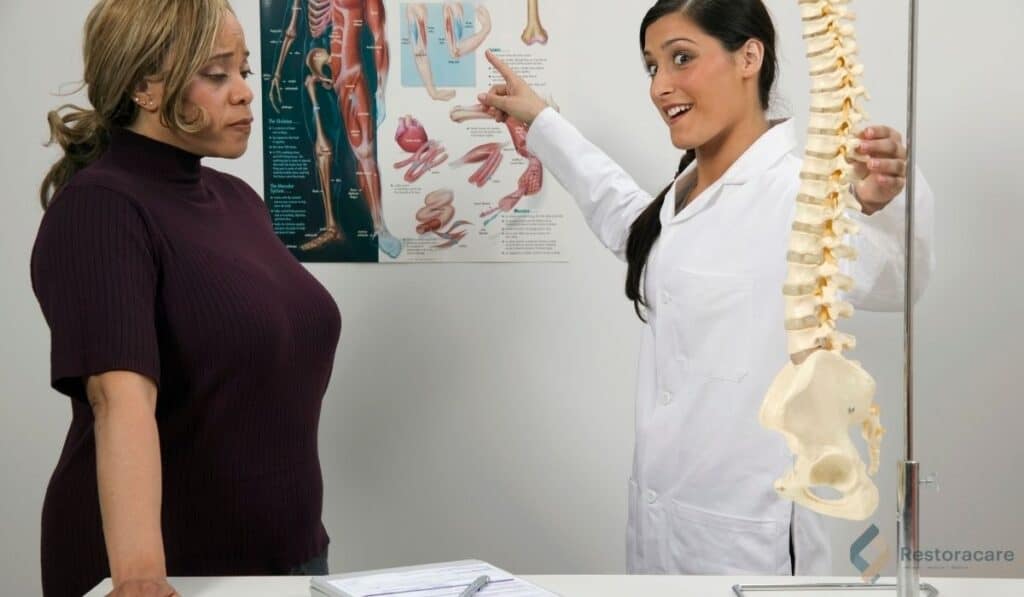
A major benefit in Ontario is direct access. You don’t need a referral to start care. This streamlines getting help. We value collaboration and will suggest seeing your primary care physician if your condition needs additional medical investigation.
It’s about teamwork for your optimal health.
From Crisis Care to Preventative Care
While we excel at helping people in pain, many now visit for prevention. Regular check-ups can support injury prevention and long-term spinal health. It’s the difference between waiting for a toothache and going for a cleaning. This shift helps support long-term recovery and resilience.
Modern Diagnostics and Collaboration
Modern practice leverages tools like diagnostic imaging (referring for X-rays or MRIs when clinically needed) for a precise picture.
Furthermore, chiropractors collaborate closely with physiotherapists and massage therapists in complementary and integrative health models. This collaborative approach, often covered by extended health insurance, creates a unified treatment plan for you.
Can You Go to a Chiropractor for No Pain?
Pain doesn’t need to be the trigger. Many people book visits to support movement quality, posture, and long-term comfort before issues snowball.
Preventative Spinal Check-Ups
Preventative visits work much like dental cleanings. Small checks help spot early movement changes that affect spinal health.
An example we often see involves subtle stiffness after sleep. Early care may help catch tension patterns before they limit improved mobility or daily comfort.
Posture, Work, and “Tech Neck”
Long desk hours and screen use can drive muscle tension and reduce motion. Toronto commuters often mention tight shoulders after laptop-heavy days.
Simple ergonomic changes may relieve pressure, improve circulation, and support overall health when paired with care.
Performance and Athletic Maintenance
Athletes often focus on range of motion and improved range. Maintaining joint movement may support optimal recovery and promote recovery between sessions.

What to Expect During Your Chiropractic Treatment
Knowing what happens during a visit can ease nerves. Here’s a clear look at the process from start to finish.
The Initial Assessment
Care begins with a thorough assessment that includes health history and medical history. A physical exam and physical examination help guide safe decisions.
We often check posture, joint motion, and basic neurological responses to understand movement patterns.
The Chiropractic Adjustment
Spinal manipulation involves precise joint manipulation using controlled force. Take note, though, that the popping sound reflects gas release, not bones shifting.
Spinal adjustments aim for targeted adjustments that support motion. Some people notice mild soreness, which often settles quickly. Serious complications remain rare when care is appropriate.
Adjunctive Therapies and Rehabilitation
Care may include soft tissue work and exercise guidance. These tools support movement confidence between visits.
The Restoracare Health Approach at Queens Quay
Care works best when teams communicate. Our approach reflects that belief through collaboration and thoughtful planning.
Multidisciplinary, Integrated Care
We coordinate chiropractic treatment alongside physical therapy and massage. Manual therapy, soft tissue therapy, and trigger point therapy often complement care.
Modalities such as therapeutic ultrasound and electrical muscle stimulation may support comfort when appropriate.

Personalised Treatment Plans
Care moves beyond templates. We develop treatment plans based on goals, movement findings, and lifestyle demands. Each treatment plan evolves with progress.
Rehabilitation exercises often support strength and control between visits.
Serving Toronto’s Waterfront Communities
Our clinic supports South Core and East Bayfront residents. Chiropractors focus on practical care choices that support healing for busy city lives.
Final Thoughts
Modern chiropractic education focuses on your body’s natural ability to find balance. It’s a safe, proactive choice for optimal health. Think of it as investing in proper alignment for your entire frame.
Care that encourages spinal alignment and proper alignment may support improved mobility, steady pain relief, and better overall musculoskeletal health over time. Small, informed choices often lead toward optimal health.
Ready to explore what this could mean for you? Informed decisions start with a conversation. We invite you to learn more about our integrated approach on our homepage. Let’s discuss your health goals together.