

Here’s an interesting stat: Canadian adults living pain-free dropped from 77.9% in 2015 to 72.0% in 2024. Pain and discomfort in the feet and lower limb are part of that wider picture, even though this particular stat looks at overall pain, not feet specifically.
Foot pain at the end of a long day is frustrating, and most of us know that feeling only too well. Orthotics are devices worn inside or on top of a shoe to support or cushion the foot, and the term covers more ground than many people realize.
What’s surprising, at least from our experience, is that many patients are often, well, surprised, at how many types of orthotics in Toronto there are. So what separates one type from another, and how are they grouped?
This guide is one part of a larger series covering foot and lower limb health, from causes to solutions. If you’re curious about the benefits of orthotics before diving into types, that piece covers what these devices can generally support.
Once you understand the types, our article on when to get shoe orthotics walks through timing and next steps.
And if custom devices interest you most, our guide on custom foot orthotics discusses that specific path.
Key Points
- Orthotics are grouped two ways: by how they’re made (custom vs. prefabricated) and by what they’re built to do (functional vs. accommodative).
- A single orthotic can combine both purposes, so the categories often overlap rather than stand apart.
- Orthotics are also sorted by firmness, length, and the type of footwear or activity they’re built for.
- Foot shape, heel pressure, and ankle involvement all help point toward which type suits you.
- A right orthotic usually comes out of a proper assessment, not guesswork from symptoms alone.
- The suitable option always depends on your foot, not the label on the box.
What Are the Main Types of Orthotics?
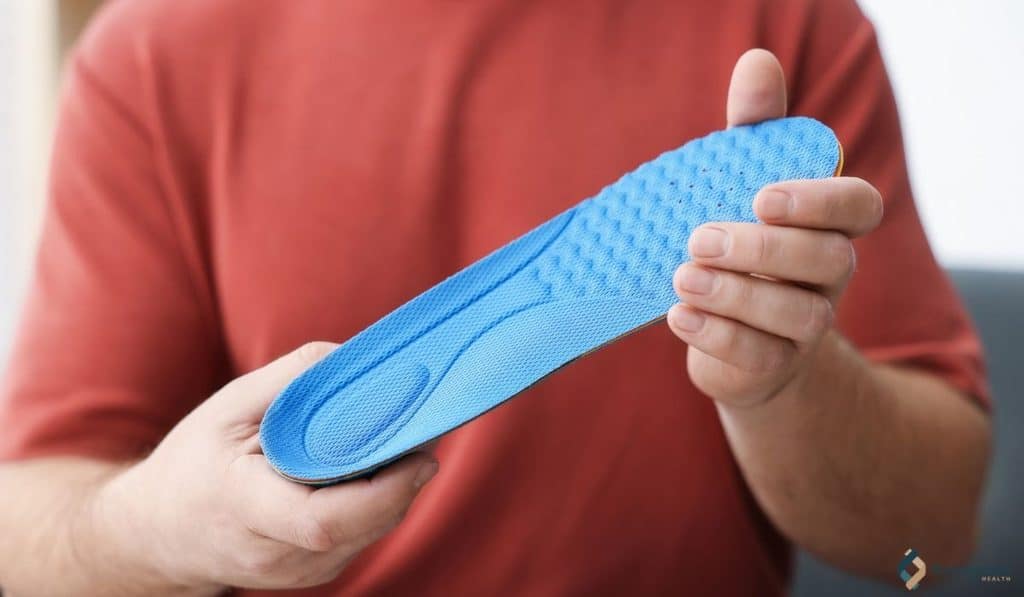
There are two ways to group the different types of orthotics. The first is by how they’re made: custom orthotics are built for your foot alone, while prefabricated orthotics come in ready-made sizes.
The second is by purpose: functional orthotics support foot movement, and accommodative orthotics cushion and absorb shock. A single device can be both.
Custom vs. Prefabricated Orthotics
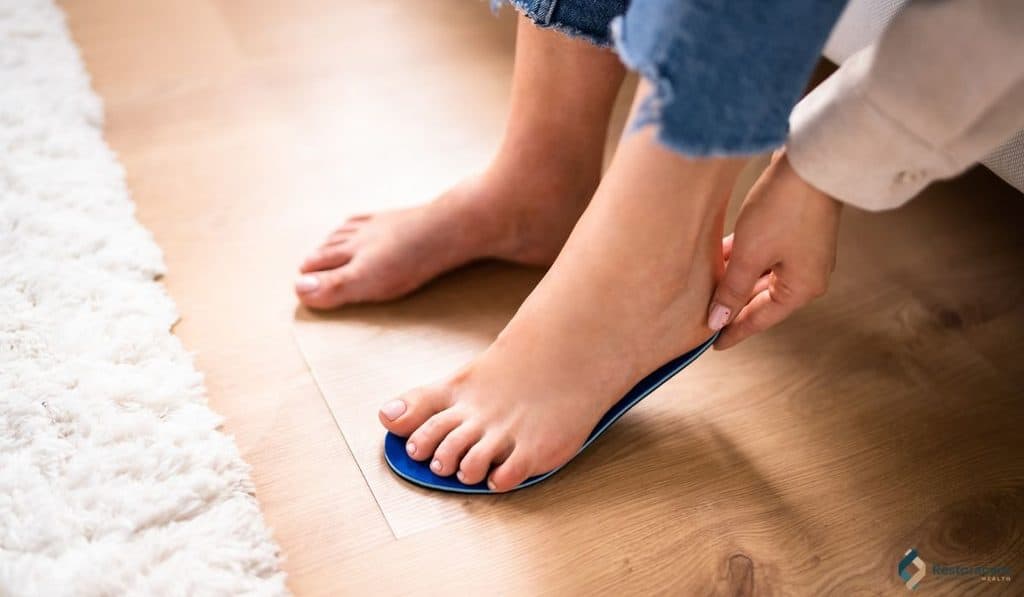
Custom orthotics are made just for you. A clinician takes a scan or mould of your foot, then builds the device to match its exact shape. You might see them called custom-made orthotics or prescription orthotics. Either way, they’re built to a custom fit.
Prefabricated orthotics work differently. They come in standard shapes and sizes, ready to wear right out of the box. You can often pick these up without a scan or mould at all.
“Custom” just describes how an orthotic is made. It doesn’t automatically mean it’s the right choice for you. The best fit depends on your foot, your activity, and what you need it to do, not the label.
Ready to Feel Better?
Functional vs. Accommodative Orthotics
Functional orthotics are firmer. They’re generally used to support or guide how your foot moves as you walk, run, or stand for long periods. Some are semi-rigid orthotics, firm enough to guide movement but flexible enough to stay comfortable through the day.
Accommodative orthotics are softer. They cushion your foot, spread pressure evenly across it, and help absorb shock with every step you take.
Many devices blend both. A single orthotic can guide movement in one area and cushion another, based on what your foot needs.
| Grouped by | Type | Main characteristic | Typical purpose |
| How it is made | Custom | Built from a scan or mould of the foot | Matched to one person |
| How it is made | Prefabricated | Ready-made, standard sizes | General support, available off the shelf |
| What it is for | Functional | Firmer build | Supporting how the foot moves |
| What it is for | Accommodative | Softer build | Cushioning and spreading pressure |
Other Ways Orthotics Are Grouped
- Foot orthotics get grouped in other ways too.
- By firmness: rigid, semi rigid orthotics, and soft.
- By length: full-length versus three-quarter length foot orthotics.
- By footwear or activity: some are built for specific shoes or sports.
Match Orthotics to Foot and Ankle Needs
Foot Structure and Arch Support
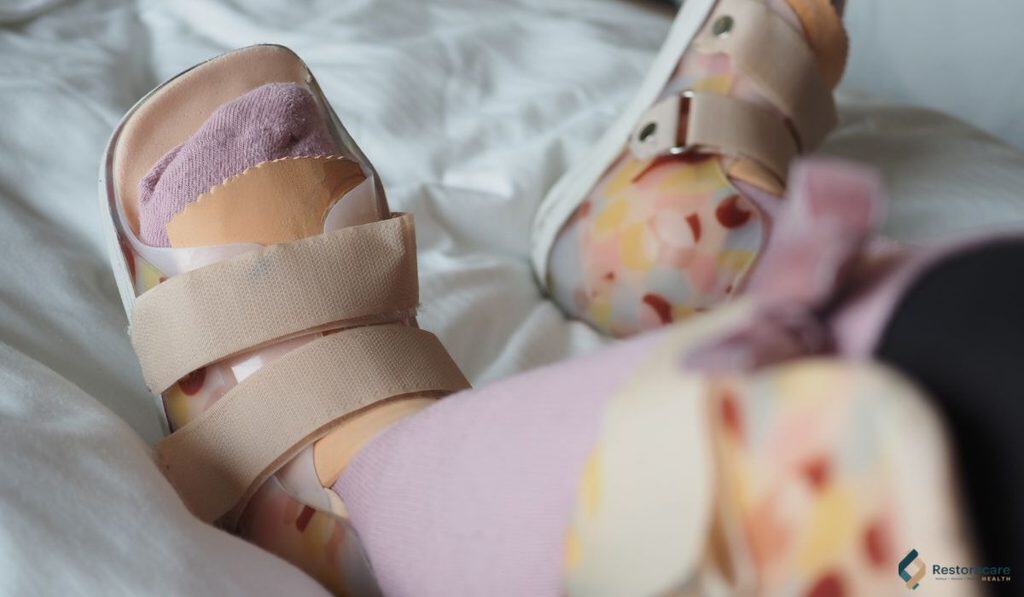
Your foot shape plays a big role in which type of orthotic works best. Flat feet often need more structure underneath, while high arches usually need extra cushioning. Both shapes change how weight moves across your foot.
Arch support ties directly into this. The right amount, in the right place, can support healthy foot function without forcing your foot into a shape it doesn’t naturally have.
Heel and Pressure Points
Heel pain is one of the most common reasons people look into orthotics. Some areas of the foot handle pressure better than others, and the heel often takes the brunt of it.
Heel cups can help here. They cradle the heel and spread pressure more evenly with each step.
Plantar fasciitis, the sore feeling under your heel that shows up with those first steps after getting out of bed, is one example where this kind of support often comes up. We cover it in more depth in our article on orthotics for plantar fasciitis
Ankle Support and Alignment
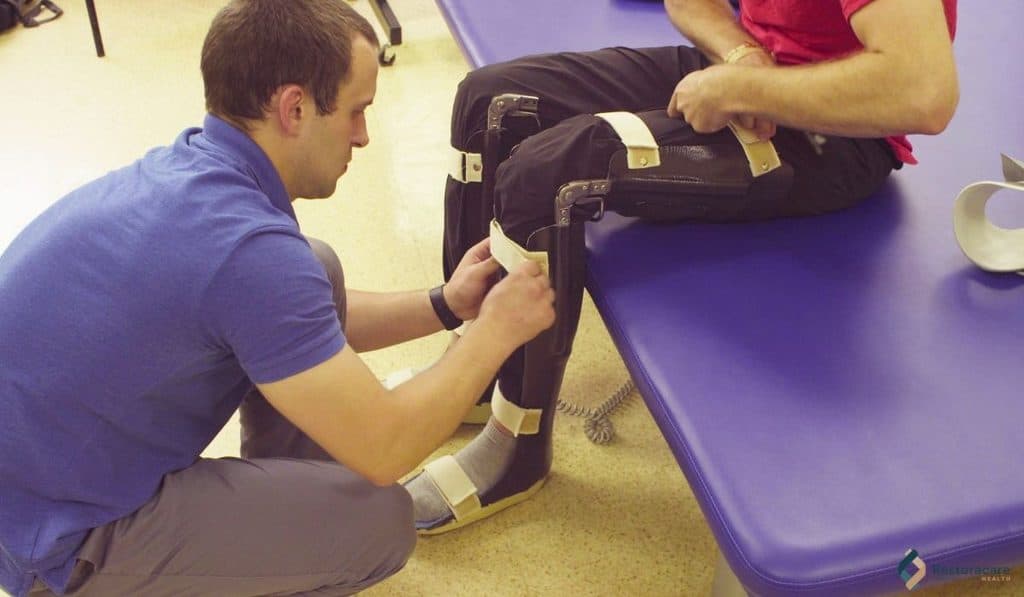
Did you know that ankle pain doesn’t always start at the ankle? That’s why some orthotics are built to extend past the foot, offering support that reaches up into the ankle too.
This matters for foot and ankle pain and foot and ankle mobility alike. When your foot sits and moves the way it should, your ankle often benefits as a result.
What Else Affects the Choice
Footwear, daily activity, and your body’s own mechanics all shape which type of orthotic suits you. No two feet, and no two routines, are exactly alike.
How the Right Orthotic Is Chosen
The right orthotic comes from a proper look at your foot and how you use it. It isn’t picked from a list.
Why a Symptom Alone Is Not Enough
Two people can have similar foot problems and still need different devices. What works for one person’s arch pain might not suit someone else’. That’s even if the symptoms sound the same.
The right orthotic can’t come from an online description alone. It skips the parts a professional would actually look at, like how your foot moves and where the pressure lands.
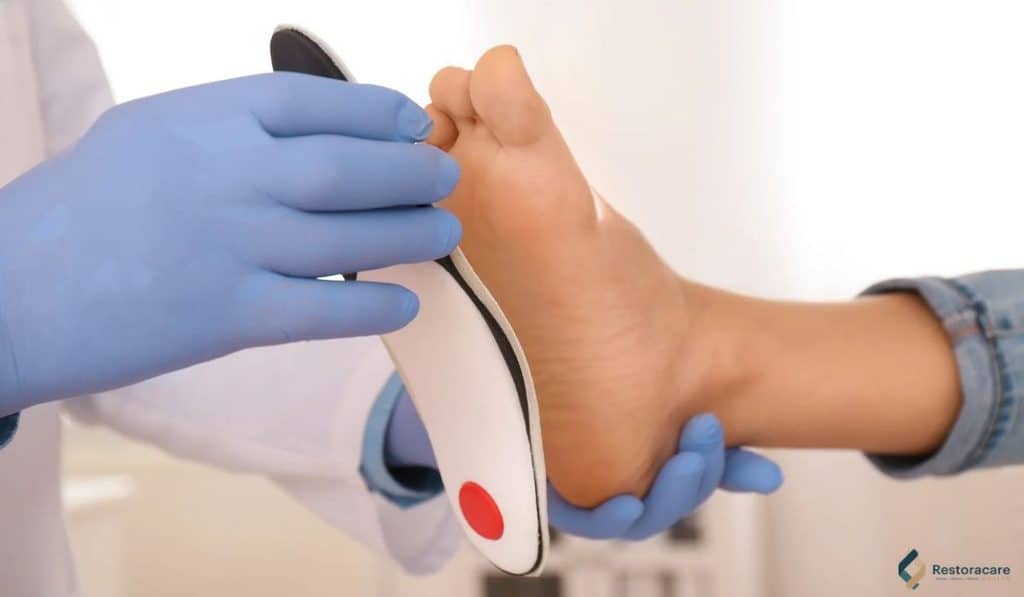
What an Assessment Looks At
A physical exam gets to the details a description can’t. Here’s what it usually covers:
- A conversation about your symptoms, daily activity, and the goals you have for your foot.
- A physical exam of your foot and ankle. This includes a look at how you walk and stand.
- A look at your footwear and daily habits. From there, a discussion of which category of device fits best.
- Each part builds on the last, so nothing about your right orthotic gets guessed.
Fit isn’t a one-time thing either. Comfort while wearing orthotics gets checked over time, and adjustments happen when needed.
Final Thoughts
So, where does this leave you? Orthotic devices come down to two things: how they’re made and what they’re built to do. Custom or prefabricated. Functional or accommodative. Neither pairing tells the whole story on its own.
The right fit still depends on your foot, not the category it falls into. Got ongoing foot or ankle concerns? A healthcare professional at Restoracare Health can take a proper look. Feel free to browse our homepage for more on foot health along the way.

