
More than 1.25 million Canadians live with lymphedema right now. But most people have never heard of it. Gaps in specialist access and funding mean this condition stays hidden and untreated for far too many.
From our experience, the signs of a struggling lymphatic system often get written off as normal. A bit of puffiness here, heavy legs there, or always feeling run down. That’s where the question of who needs lymphatic drainage massage becomes so important.
This gentle therapy helps restore natural lymph flow, flush trapped fluid, and support your body’s own cleanup crew. We wrote this guide to help you recognize if your body could use that support.
You may have seen our past piece on Brazilian lymphatic drainage. Coming up next, we’ll explore manual lymphatic drainage massage in more detail. And our main pillar post on lymphatic drainage ties everything together.
For now, let us focus on one simple question: Who actually needs this therapy?
Key Points
- The lymphatic system has no central pump, so stagnant lymph fluid can cause fluid retention, swelling, and weak immunity.
- Manual lymphatic drainage uses light pressure and rhythmic movements to move fluid toward lymph nodes.
- Five groups who benefit most: people recovering from surgery, cancer survivors with lymph node removal, those with chronic pain or inflammatory conditions, people living with chronic fatigue or low immunity, and individuals with venous issues or daily oedema.
- Unlike deep tissue massage therapy, this gentle form stays on the skin’s surface and has a calming effect on the nervous system.
- You should avoid lymphatic drainage massage if you have active blood clots, heart failure, kidney failure, or active infections. Always get an initial consultation first.
How the Lymphatic System Works – And Why It Gets Stuck
Let’s start with a quick tour inside your body. The lymphatic system acts like a waste removal crew. It runs right alongside your circulatory system, but most people never think about it.
Lymphatic fluid carries metabolic waste, toxins, and white blood cells through a web of tiny lymphatic vessels (sometimes called lymph vessels). Those immune cells actually start their journey in your bone marrow. Pretty cool, right?
But unlike blood flow, your lymphatic system has no central pump. No heart for lymph. So when things get sluggish, stagnant lymph fluid pools in your tissues. That leads to fluid buildup and a weaker immune function. You might notice puffiness, heavy limbs, or getting sick more often.
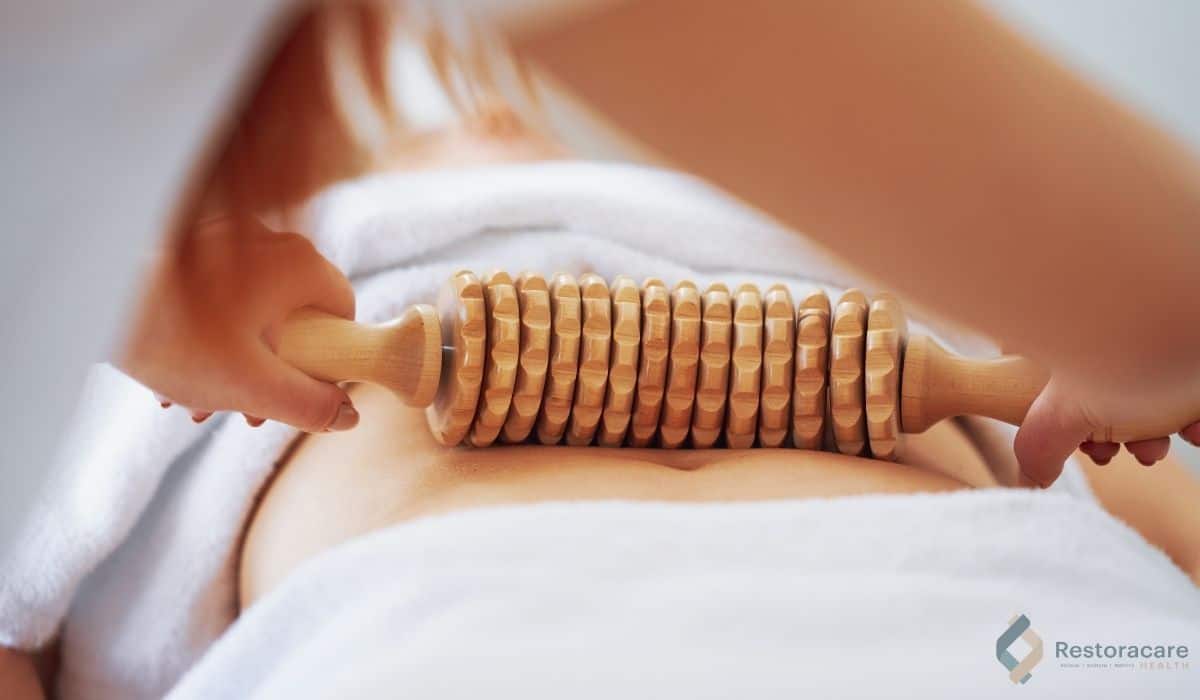
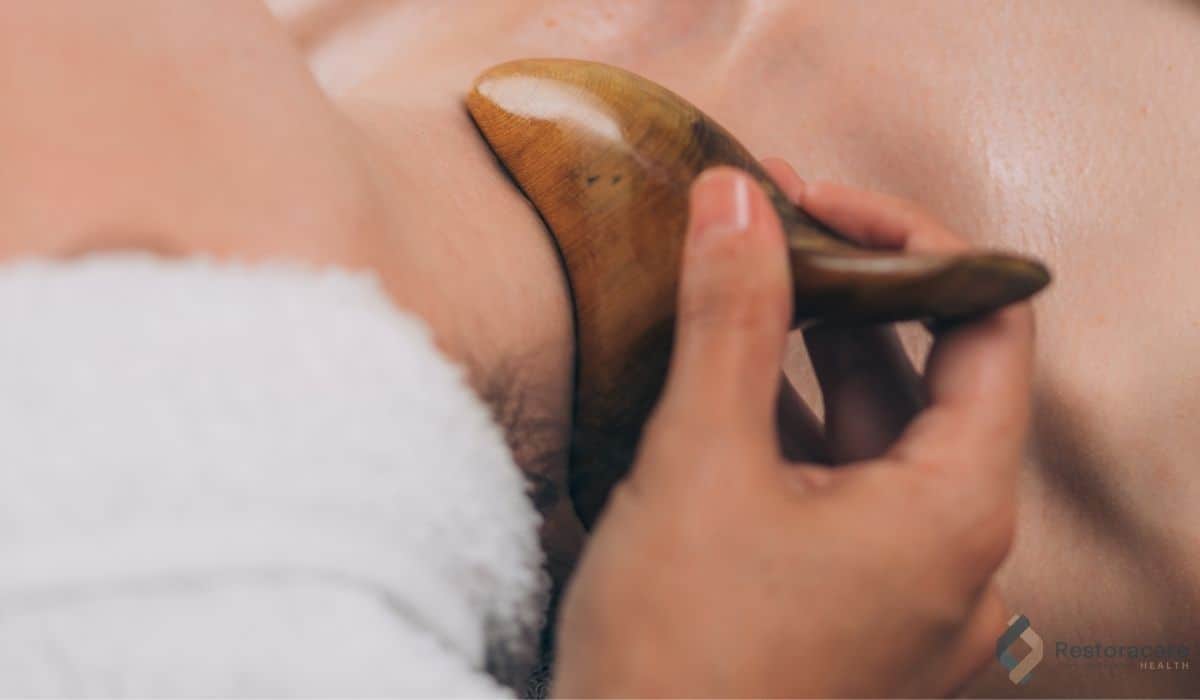
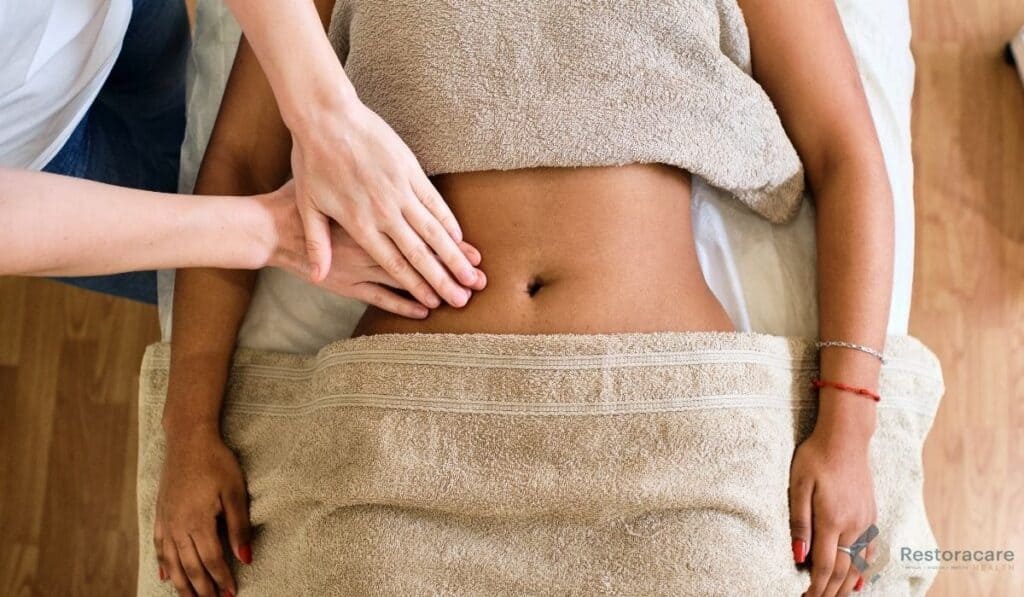
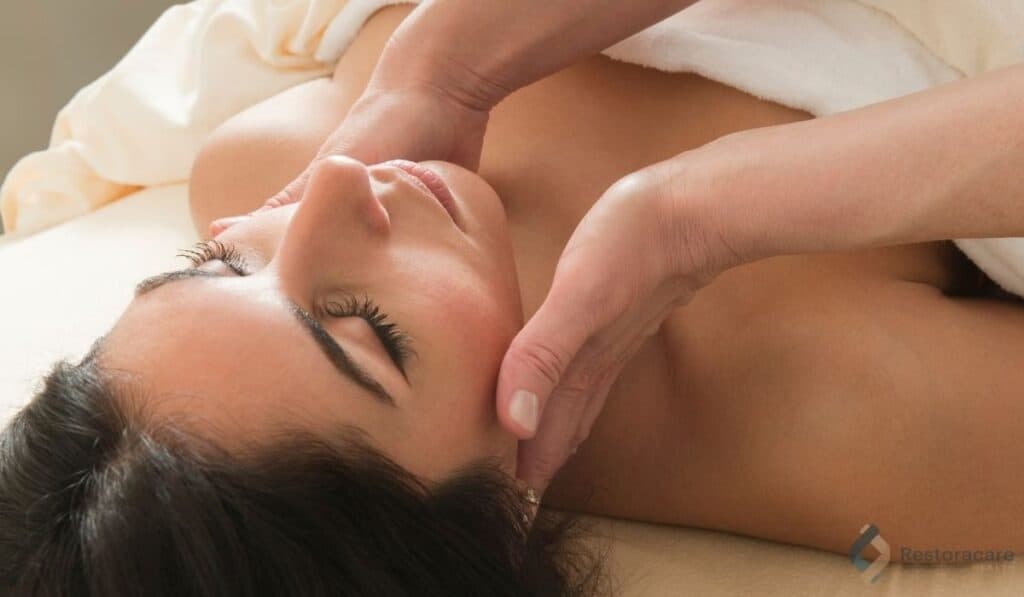
That’s where manual lymphatic drainage comes in. A trained massage therapist uses light pressure, rhythmic movements, and gentle pressure to nudge that stuck lymph fluid toward working lymph nodes.
Think of it as restarting a slow drain. We see this make a real difference for people who feel constantly bloated or run down.
Who Needs Lymphatic Drainage Massage? 5 Candidates Who Benefit Most
Not everyone realises they could benefit from this therapy. Below, we break down five specific groups where lymphatic drainage massage tends to help the most. See if any of these sound like you or someone you care about.
1. People Recovering from Surgery
After any surgery, your body deals with deep tissue trauma. That often means postoperative swelling that hangs around for weeks. Lymphatic drainage massage therapy helps clear trapped fluid and excess fluid from the area.
This lowers the risk of fibrosis, a hardening of scar tissue. We’ve seen post surgery recovery move along faster and more comfortably with this gentle approach. A few sessions of drainage massage can make a world of difference.
2. Cancer Survivors Who Have Undergone Lymph Node Removal
Lymph node removal is common during breast cancer surgery and other cancer treatments. When nodes are taken out, the normal drainage paths get disrupted.
This can lead to lymphedema, a stubborn swelling that affects many survivors. A certified lymphedema therapist uses precise manual lymph drainage techniques to redirect flow.
These lymphatic drainage techniques help treat lymphedema and relieve lymphedema symptoms like heaviness and tightness. Given that over 1.25 million Canadians live with lymphedema, this group deserves special attention.
Ready to Feel Better?
3. People Managing Chronic Pain and Inflammatory Conditions
Conditions like rheumatoid arthritis, lipedema, and fibromyalgia create ongoing inflammation. That inflammation can slow your lymphatic circulation to a crawl.
Lymphatic massage helps reduce swelling and may ease chronic pain over time. Unlike deep tissue massage therapy, there’s no aggressive friction. No soreness the next day! Just gentle, repetitive strokes.
We often tell our patients with chronic pain conditions to think of this as a reset button for their fluids. Many find real relief without the intensity of other massage techniques.
4. Those Living with Chronic Fatigue or Low Immunity
Ever feel tired no matter how much you sleep? Chronic fatigue and chronic fatigue syndrome can actually stem from a clogged lymphatic system. Waste products build up instead of leaving the body.
By stimulating lymphatic flow, we activate the body’s natural detoxification process. This delivers meaningful immune system support. Clearing out cellular debris lets your immune system focus on real threats.
5. Individuals with Venous Issues or Daily Oedema
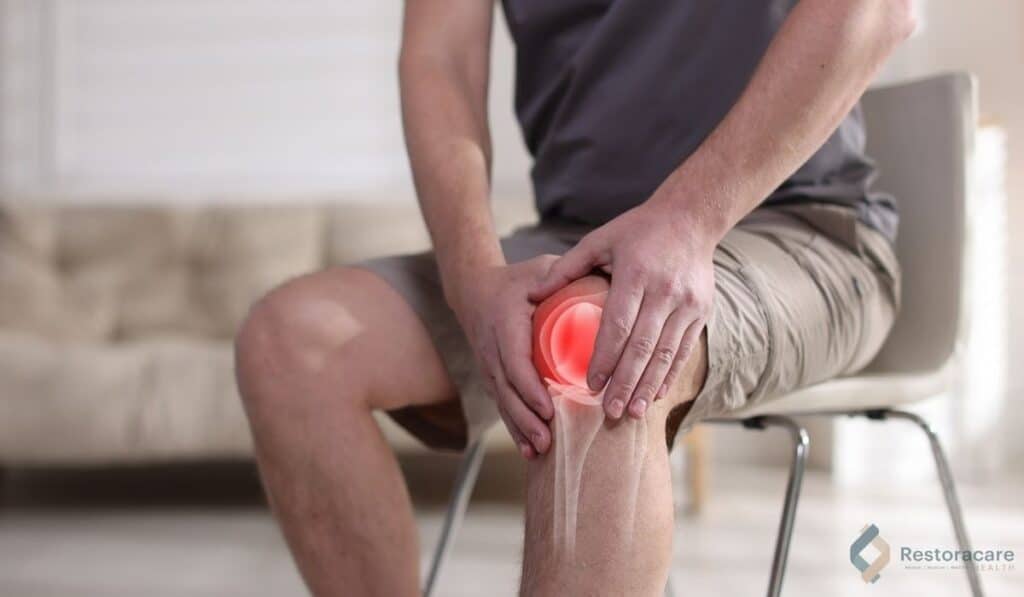
Do your legs feel heavy after a long flight or a day at a desk? That’s chronic venous insufficiency in action. Fluid retention makes ankles puff up and skin feel tight.
Moving stagnant lymph fluid through lymph fluid moving exercises or massage can dramatically reduce that heavy feeling. Reduced fluid retention is one of the fastest benefits people notice.
For anyone prone to recurring oedema, regular sessions help affect fluid balance in a positive way. We always remind folks that lifestyle habits like sitting or standing for hours can lead to excess lymph fluid. A little maintenance goes a long way.
Lymphatic Drainage vs. Other Massage Techniques: What’s Different
Ever booked a deep tissue session and wondered, “Is this the same as lymphatic work?” Not even close. Let’s break down the differences so you know what to expect.
Deep tissue massage therapy and sports massage therapy target deep skeletal muscle. They use intense friction and pressure to break up knots.
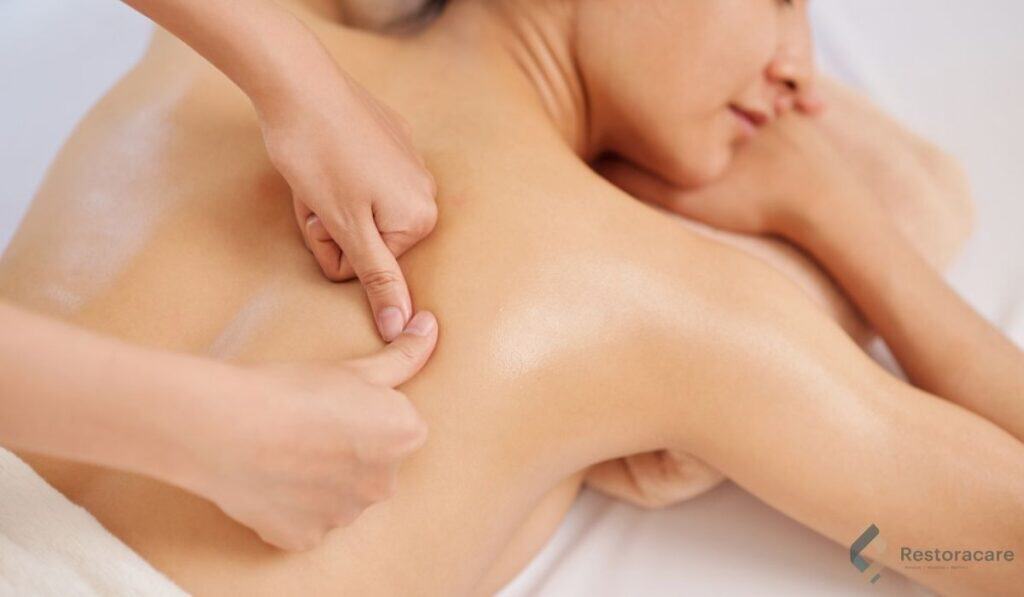
A lymphatic drainage massage session could not be more different. We use only rhythmic strokes and gentle movements on the skin’s surface. That’s where your superficial lymph network lives. No squeezing of muscles and no risk to tiny blood vessels.
Think of it this way. Traditional massage therapy is like kneading dough. Lymphatic work is like a soft rain on dry soil. This gentle form of bodywork also calms your nervous system.
People often drift off during a session. Beyond the therapeutic benefits for swelling, you get deep relaxation. Those are the real benefits of lymphatic drainage that keep people coming back.
When to Avoid Lymphatic Drainage Massage
As much as we love this therapy, it’s not for everyone. Knowing when to say no is part of responsible care.
There are times you should avoid lymphatic drainage massage entirely. These include:
- Active blood clots (thrombosis)
- Acute congestive heart failure
- Kidney failure
- Active systemic infections (like cellulitis or flu with high fever)
Why the caution? Increasing lymph flow or blood flow in these situations carries genuine clinical risk. Your safety matters more than any potential benefit.
Always schedule an initial consultation with a qualified healthcare provider before adding this to your wellness routine. A proper assessment ensures your well functioning lymphatic system stays that way.
Protecting your lymphatic health is a team effort. We partner with your doctor to make sure everything is safe before we begin. No shortcuts.
Final Thoughts
The core benefits of lymphatic drainage come down to a few big ones: fluid clearance, pain relief, immune system support, faster postsurgical recovery, and better fluid balance. That’s a lot of help from one gentle therapy.
So what’s the verdict? If you deal with stubborn swelling, slow healing after surgery, constant tiredness, or a sluggish immune system, lymphatic drainage massage may be worth exploring.
Find a qualified provider with a specialised treatment plan. Look for a certified lymphedema therapist or licensed massage therapist who has extra training in lymph drainage massage. Read their reviews. Ask your doctor for a referral. Do your homework.
For Torontonians curious about this therapy, evidence-informed clinics are closer than you think. Visit our homepage and learn more about how we approach whole-body wellness.