
Here’s a number that sticks with us. The average Canadian adult sits or lies down for 9 to 10 hours each day. For downtown office workers, the number gets worse: nearly 73% of their working hours are completely sedentary.
That much stillness slows down your lymphatic system and plays a silent role in your health. We see the results every day. Puffiness. Heavy legs. Stubborn swelling and fluid retention that never quite goes away.
From our experience, most people do not realize their lymph fluid has stopped moving efficiently. Your body needs movement to clear waste. Without it, fluid pools in your tissues. That’s where Brazilian lymphatic drainage in Toronto comes in.
This non-invasive treatment helps wake up your natural drainage pathways. In this article, we will show you how it works, why it’s different, and what clinical results you can expect.
Think of this piece as your lymphatic drainage tool to understand the method we described previously. If you’re someone who needs lymphatic drainage massage, the next article breaks down candidacy in more detail.
And for the complete clinical picture, our main lymphatic drainage pillar post covers long-term management strategies.
Key Points
- Brazilian lymphatic drainage uses faster rhythmic movements and targeted firm pressure to stimulate deeper tissues.
- It differs from traditional manual lymphatic drainage, which relies on a feather light touch.
- This technique may support post surgical recovery by helping reduce swelling and fluid buildup.
- It also assists with water retention, fluid retention, and may improve digestive system function.
- Safety screening rules out blood clots, congestive heart failure, and active infections before treatment.
- Immediate results like visible sculpting and improvement in blood circulation are possible for some clients.
- Results vary depending on your body’s unique physiology and consistency of care.
How Your Lymphatic System Actually Works
Think of your body as having two parallel highways. One carries blood, the other carries a clear fluid nobody talks about.
That second highway is your lymphatic system. It doesn’t have a central pump like the heart, though. Instead, it relies on your muscle contractions to move lymphatic fluid along.
Your lymphatic vessels run right next to your blood vessels. They pick up lymph fluid, which starts as a clear fluid that leaks out of your circulation. From there, the vessels carry this fluid toward small filtering stations. Those stations are your lymph nodes.
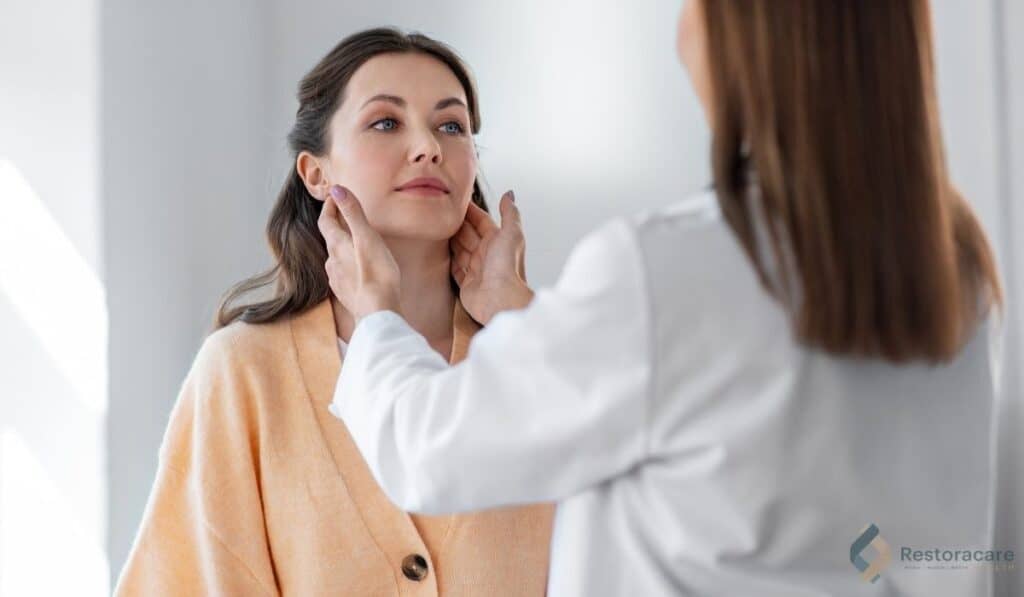
Here’s what happens inside a lymph node. Immune cells grab cellular debris, metabolic waste, and other cellular waste floating in the fluid. They identify what does not belong. Then they neutralize it. Pretty clever, right?
When your lymphatic system flows well, your immune system stays alert. White blood cells move freely to defend your body. But when you sit too long, that flow slows down. Fluid backs up, and you feel puffy and tired.
We see this every day in our clinic. A gentle nudge in the right direction, like movement or manual therapy, can make a real difference.
Brazilian Technique vs. Traditional Manual Lymphatic Drainage
Not all drainage techniques feel the same. Some are whisper light, others use more intention. Let’s break down two approaches.
What Is Traditional Manual Lymphatic Drainage?
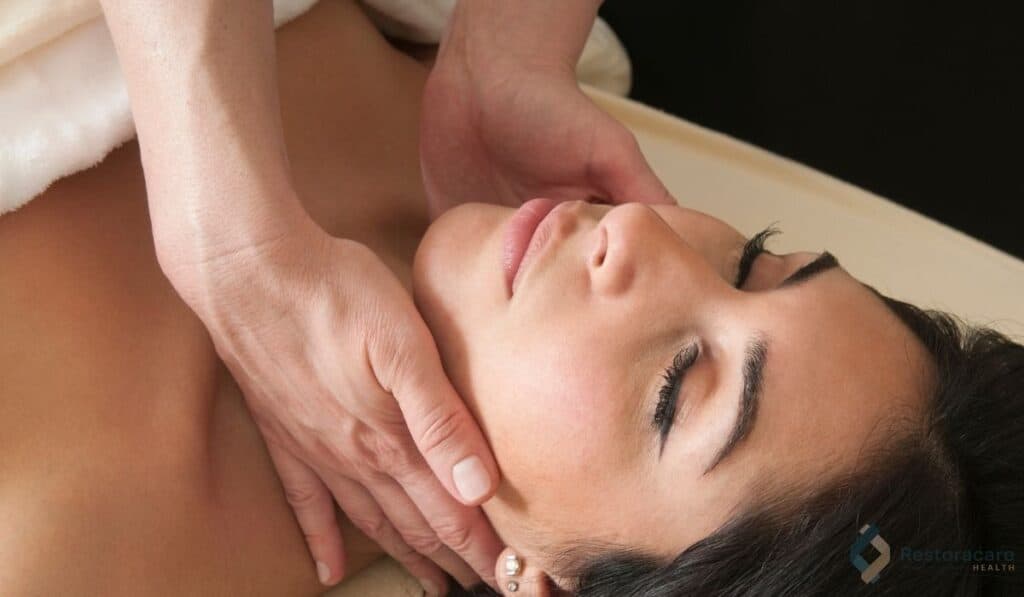
Traditional manual lymphatic drainage uses a feather-light touch. The therapist stretches the skin in slow, precise directions. This manual lymphatic drainage method was developed for conditions like lymphedema after cancer surgery. The pressure stays very low.
Think of someone moving a silk scarf across your skin. It works beautifully for fragile or swollen tissue, but it takes time.
Ready to Feel Better?
What Makes the Brazilian Technique Different?
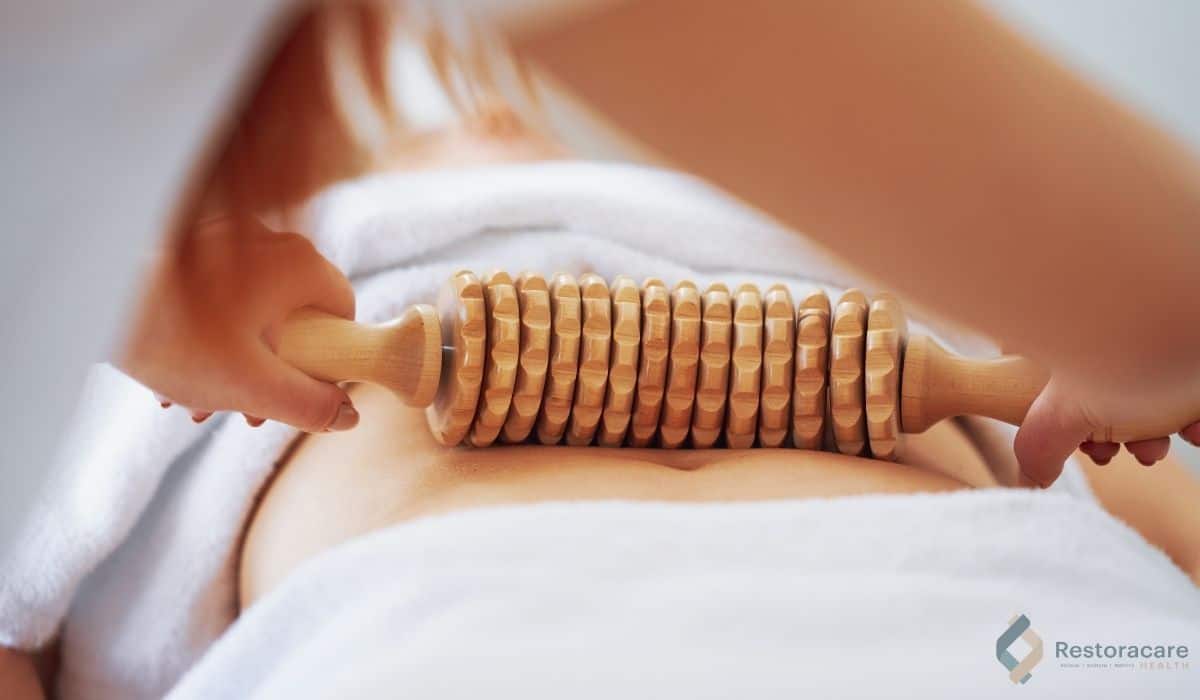
Now here’s where the Brazilian technique stands apart. We use faster rhythmic movements and more targeted firm pressure. The strokes reach deeper tissues without bruising your vascular network. A trained therapist knows exactly where to apply that pressure.
These rhythmic strokes change the pressure gradients inside your tissue. Stagnant fluid gets pushed out. Excess fluid starts moving again. Fluid movement returns to active circulation. The result feels deeper but still comfortable.
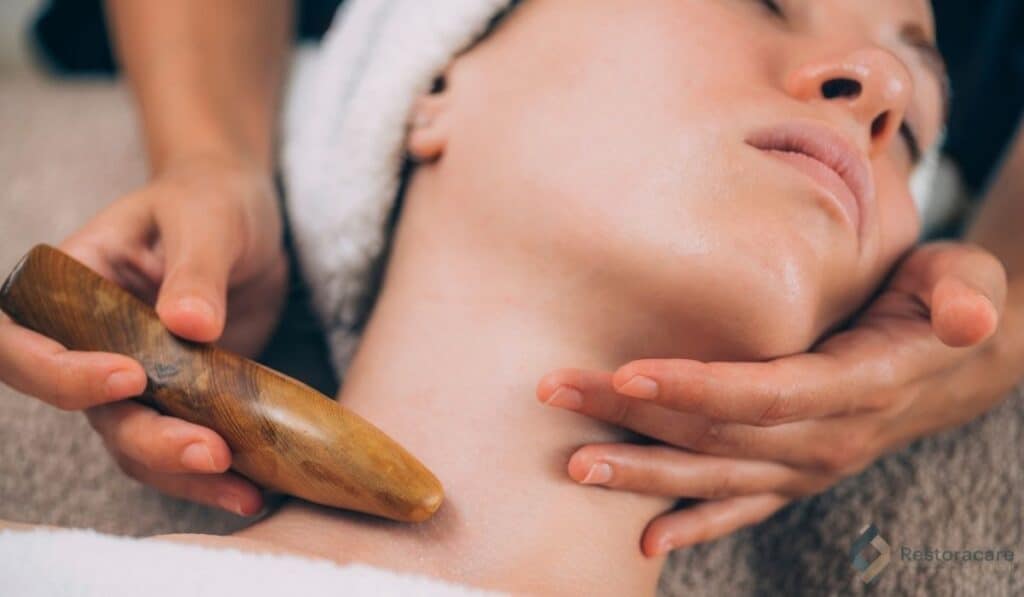
Think of the traditional method as a soft rain. The Brazilian technique is like a steady wave. Both get the job done. One just works faster for people who need more mechanical input.
As chiropractors, we love this approach because it teaches patients how regular maintenance prevents future fluid buildup. A little prevention goes a long way.
Clinical Benefits: Post-Surgical Recovery and Beyond
Why do surgeons recommend this technique? The answer comes down to fluid. Let’s walk through two layers of benefit.
Supporting Post-Surgical Recovery
Lymphatic drainage massage has become a standard protocol for postsurgical clients. Think of a tummy tuck or a knee replacement. After those procedures, tissues swell. Fluid buildup gets trapped. That’s where we step in.
Restoring lymph flow and lymphatic flow helps reduce swelling in a big way. Less fluid means less pressure on fresh incisions. We see lower local inflammatory markers as a result.
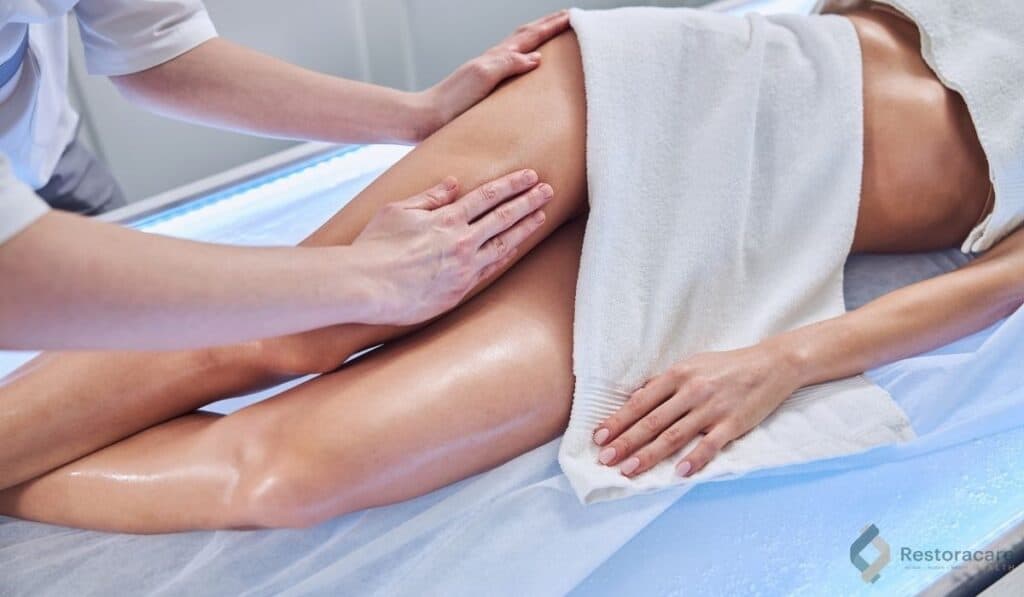
The body’s natural healing process can then work more efficiently. One patient told us her post-op discomfort dropped by half after three sessions. Your mileage may vary, but the mechanism is sound.
Systemic Benefits Beyond Surgery
Now for the rest of us. The body’s natural detoxification process relies on movement. Manual stimulation may help clear your toxic load. It can also ease water retention without pills. Some people notice their digestive system works better too. Less bloating after meals. Go figure.
Stimulating blood circulation and lymphatic function creates stress relief that feels whole body. We call it deeply relaxing for a reason. These benefits are not exclusive to surgery patients. Anyone with chronic fluid retention or sluggish circulation could notice a shift.
The technique promotes healing by reducing inflammation and improving circulation naturally.
What to Expect at Restoracare Health
Curious how a session actually unfolds? Here’s the real talk.
Safety Screening and Personalised Care
Every appointment starts with a health history review. Our registered massage therapist asks about medications, past surgeries, and any red flags. We screen for blood clots, congestive heart failure, and active infections.
Those conditions mean we say no to therapeutic treatment for your safety.
Your body’s unique makeup matters. Session intensity varies depending on your needs. Some people want a full-body treatment focused on Brazilian lymphatic drainage. Others need a gentler lymphatic massage. No two plans look identical, and that’s by design.
How to Prepare for Your Session
A few simple steps make a difference.
- Eat a light meal one to two hours beforehand
- Hydrate well; avoid alcohol for 24 hours prior
Proper prep supports fluid balance and maintaining fluid balance after you leave. Think of it as priming the pump.
An Interdisciplinary Approach
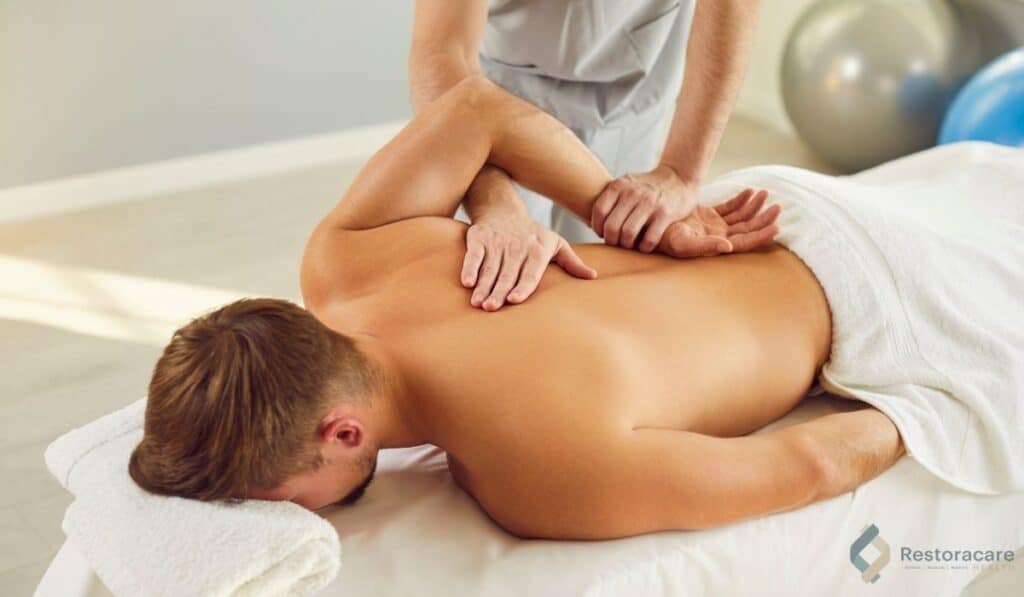
We don’t work in silos. Massage therapy sits alongside physiotherapy and chiropractic care. This team approach targets long-term outcomes like reducing fluid retention, improving circulation, reducing inflammation, and boosting overall health.
Therapeutic care becomes more than a one-off fix. It has become a habit. Lymphatic drainage works best when your whole team coordinates. Your overall well-being gets the final win.
Final Thoughts
Brazilian lymphatic massage bridges the gap between rehab and real relief. You get the clinical support your tissues need. You also see visible sculpting that feels good in the mirror.
This Brazilian lymphatic drainage massage approach stays non-invasive and evidence-informed. It works for postsurgical recovery or just daily wellness.
Many of our patients notice improvement in blood circulation and a renewed sense of well being after a few sessions. The natural flow of your lymphatic system plays a vital role in how you feel each day. Immediate results are possible, but consistency delivers the real win.
Ready to feel the difference? Book a consultation with a registered massage therapist at Restoracare Health. Let’s help you restore your therapeutic care routine and support your overall well-being.